CHANDANPURAY KICHUKHON-FOR A WHILE AT CHANDANPURA
A Contemporary Extended Family House in Chattogram, Bangladesh
Types: Residential
Land Size: 59 Decimal (2408 SQM)
Area: 6000 SQM
Height: 9 Storied
Design Period: 2014
Status: Built
Year of Completion: 2019
Set within the dense fabric of Chattogram—Bangladesh’s bustling port city—“Chandanpuray Kichukhon” (translated: “For a While at Chandanpura”) reimagines the rural extended-family compound as an urban residential typology. Developed by Mostafizur Rahman, a local businessman with a deep-rooted spiritual philosophy and a longing for familial proximity, the project seeks to bring together multiple generations under one roof—not metaphorically, but physically—within the spatial constraints of a modern city.
A Return to Collective Living
Contemporary urban housing in Bangladesh has largely abandoned rural values of communal living, replacing them with vertical towers that isolate nuclear families. “Chandanpuray Kichukhon” challenges this trend by reinterpreting elements like courtyards, common guest lounges (kachari), and shared outdoor spaces, not as nostalgic tropes, but as essential building blocks of human connection.
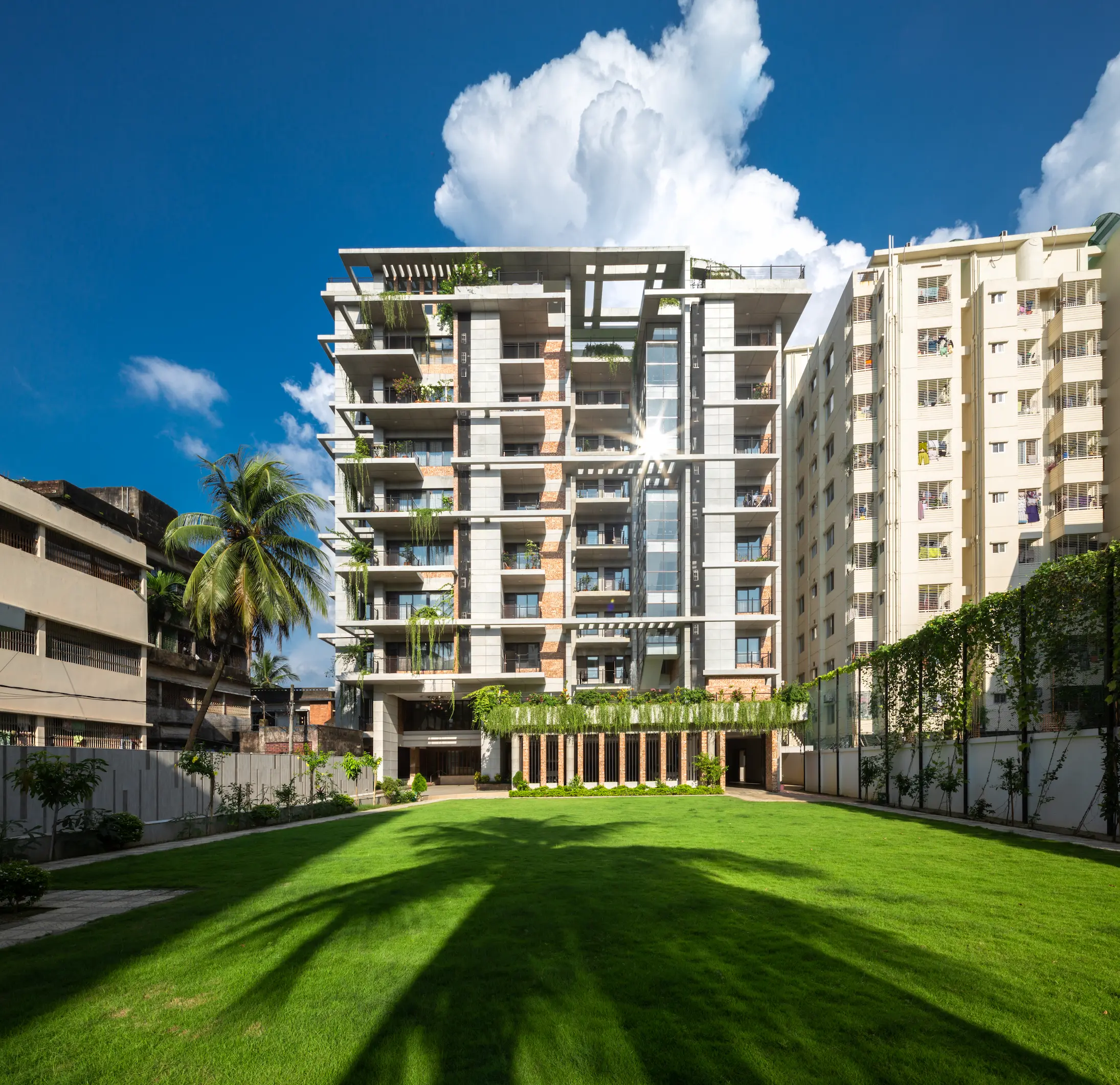
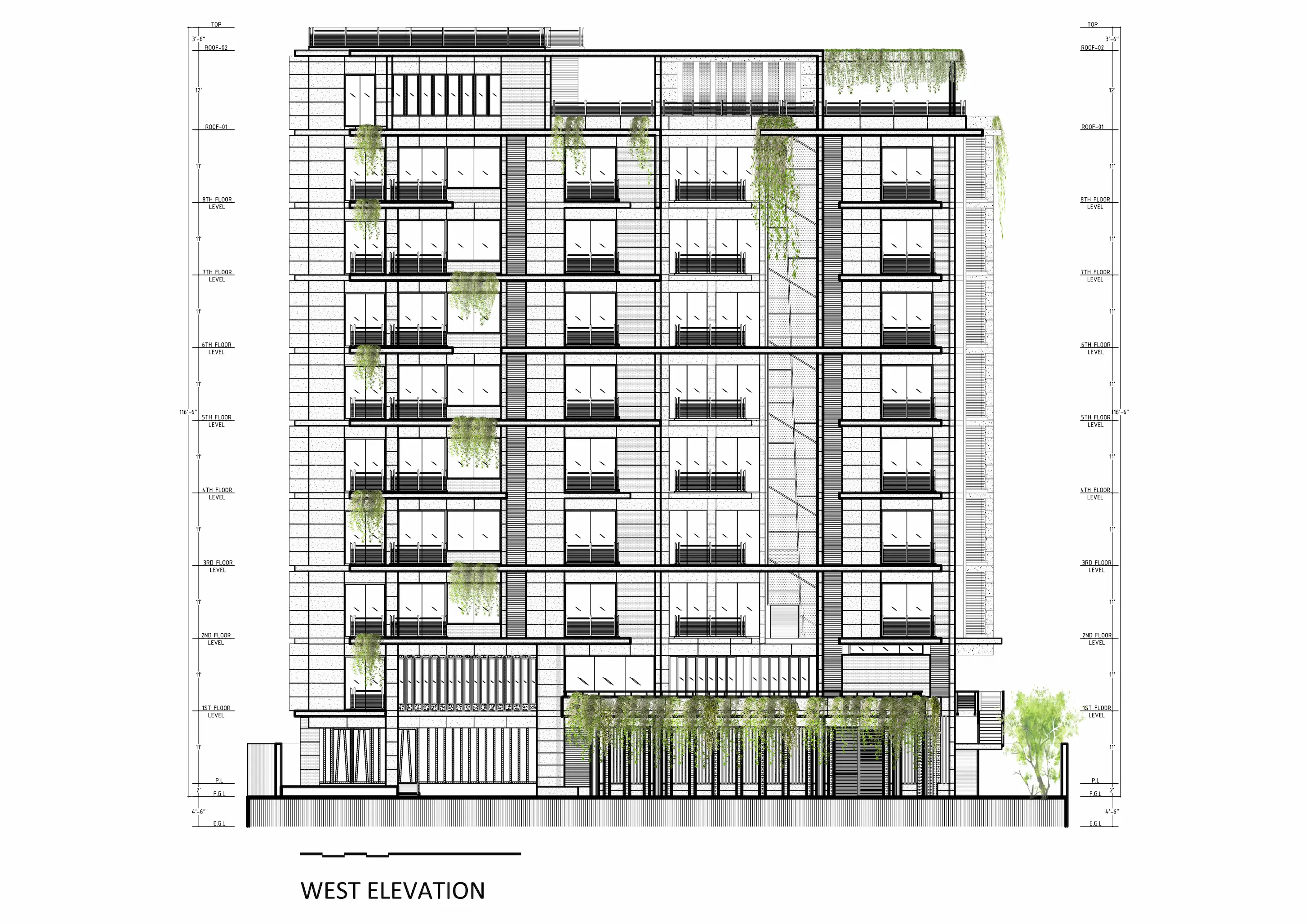
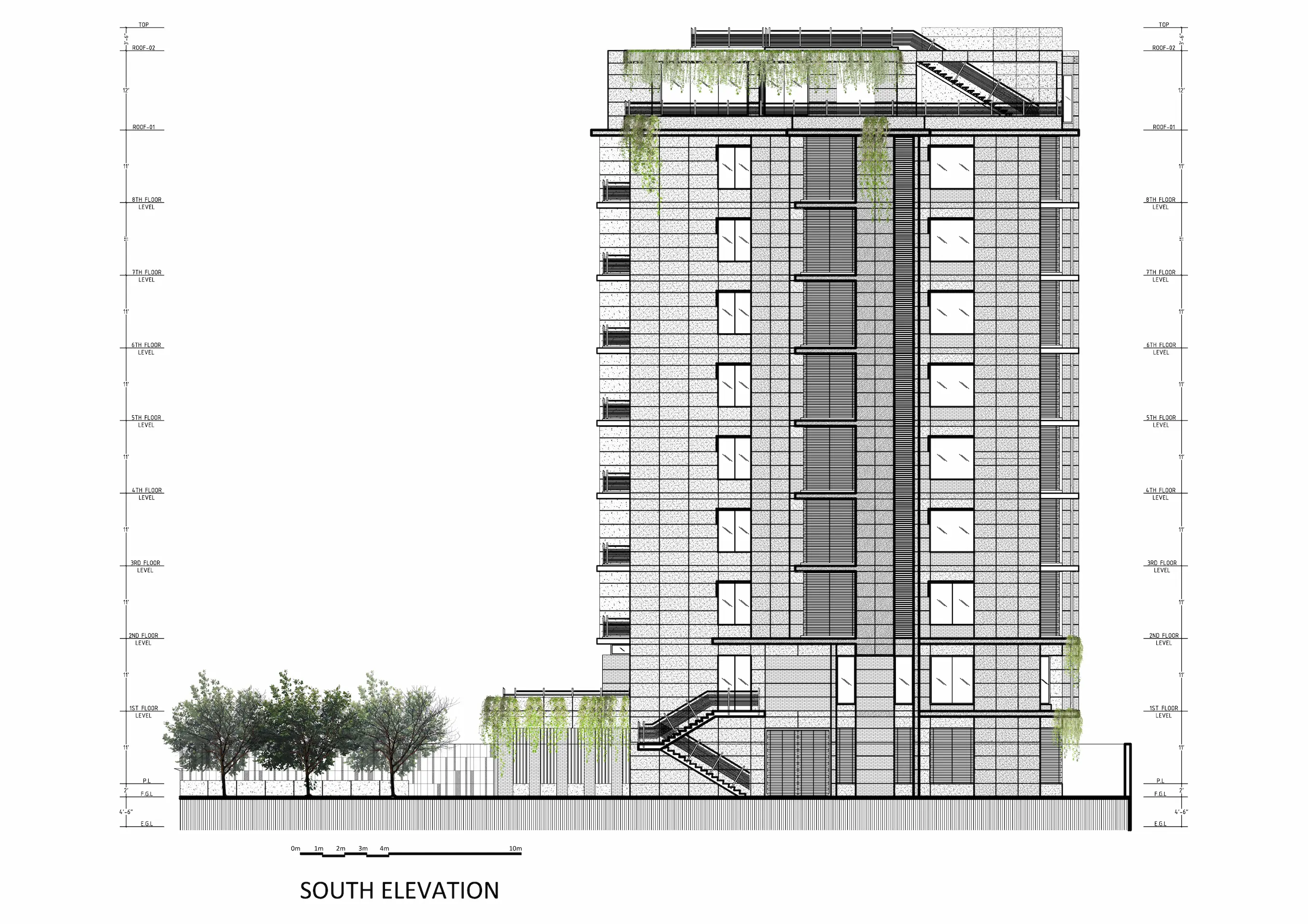
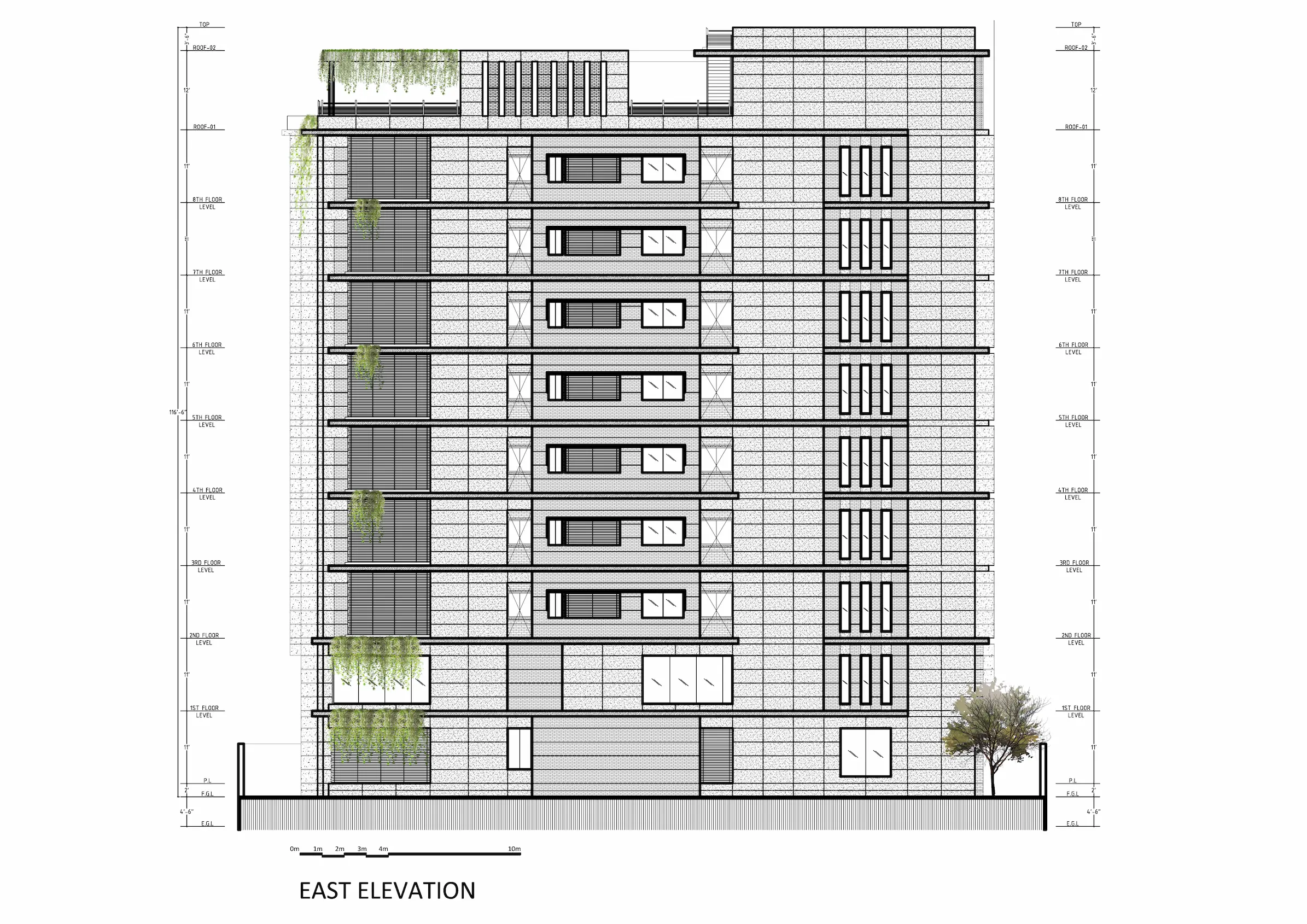
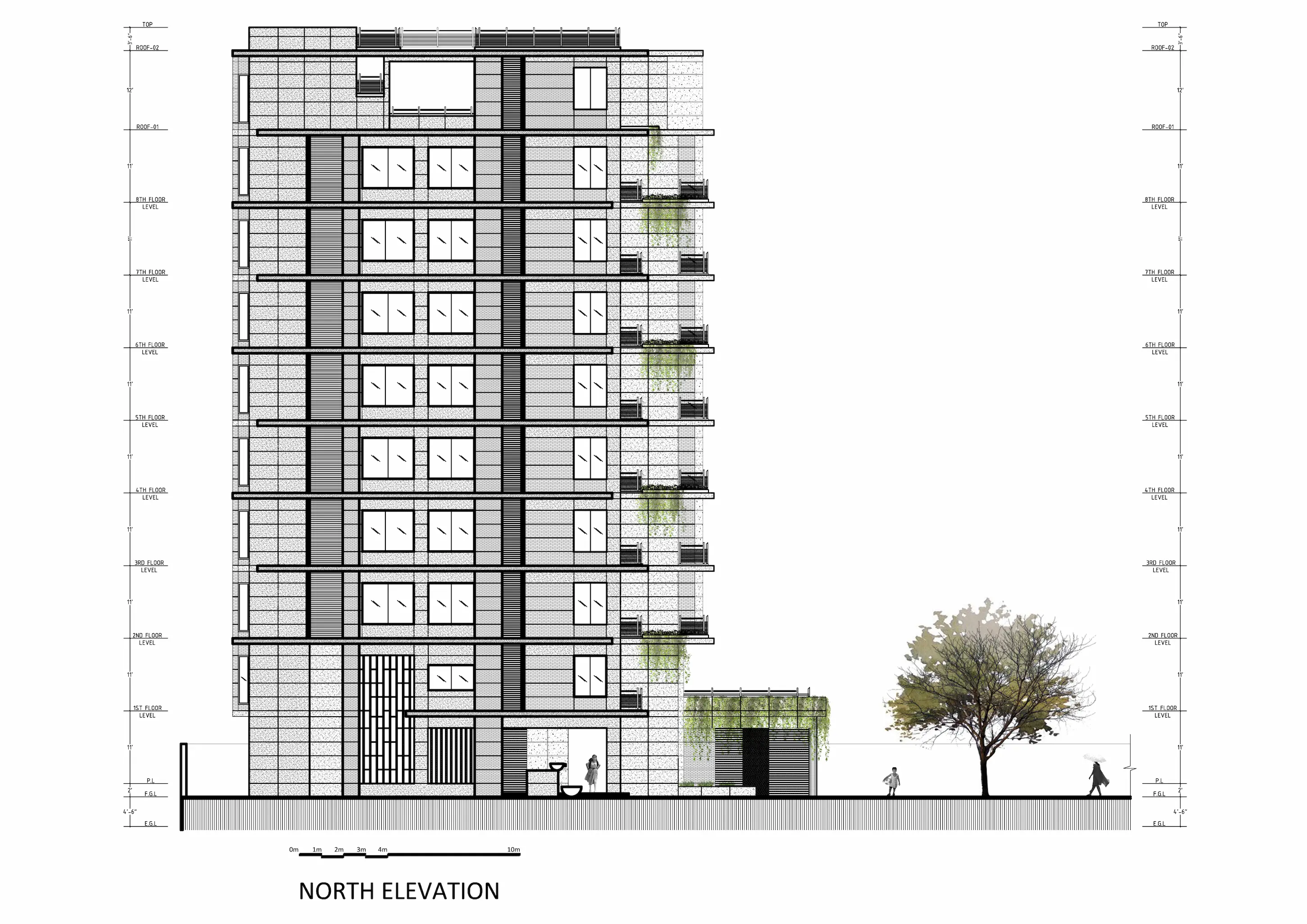
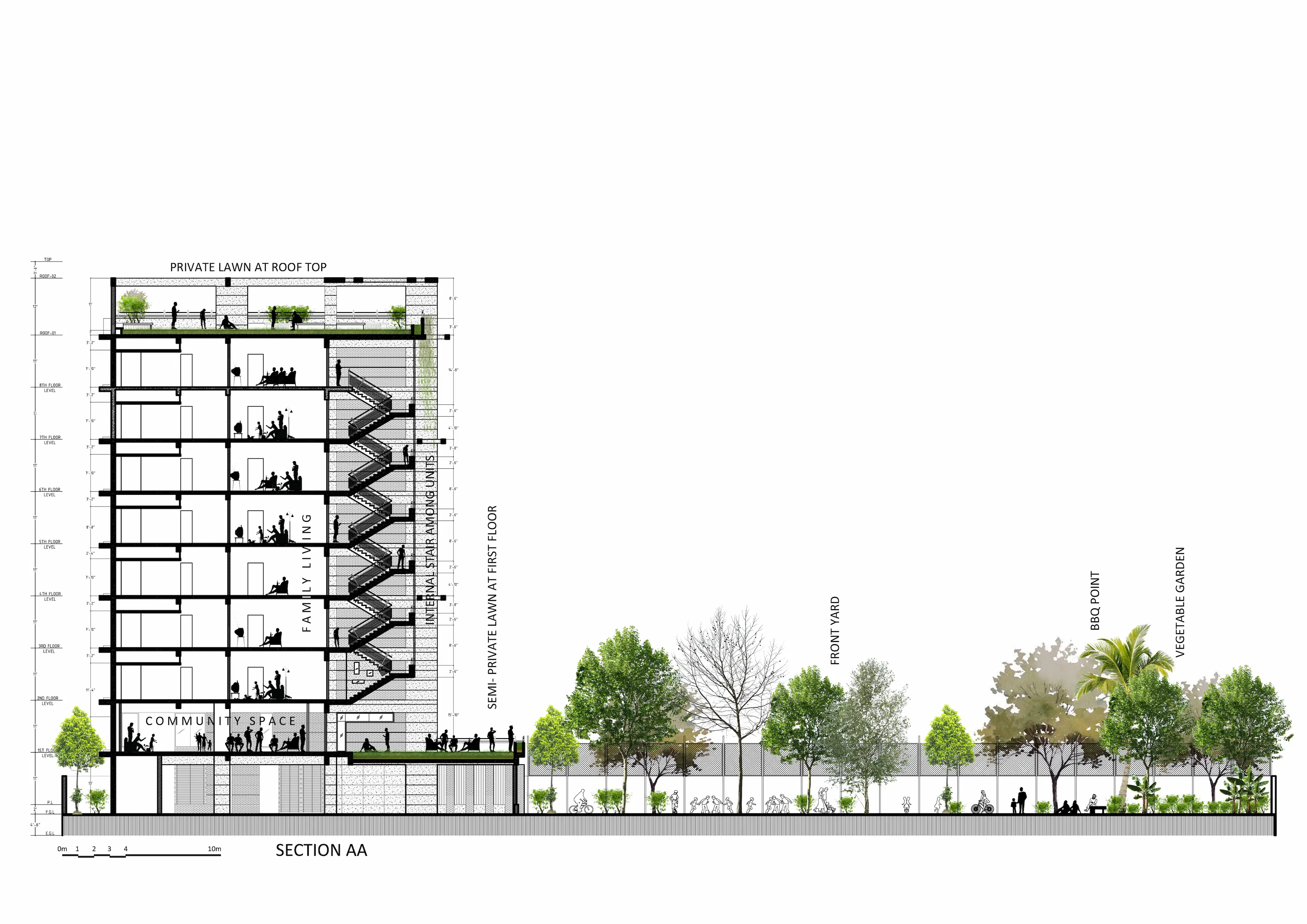
The architectural response is a low-rise, cuboidal block facing west—strategically designed to accommodate multiple extended family units. However, the most radical gesture lies not in the building mass but in the void it embraces.
An Urban Oasis
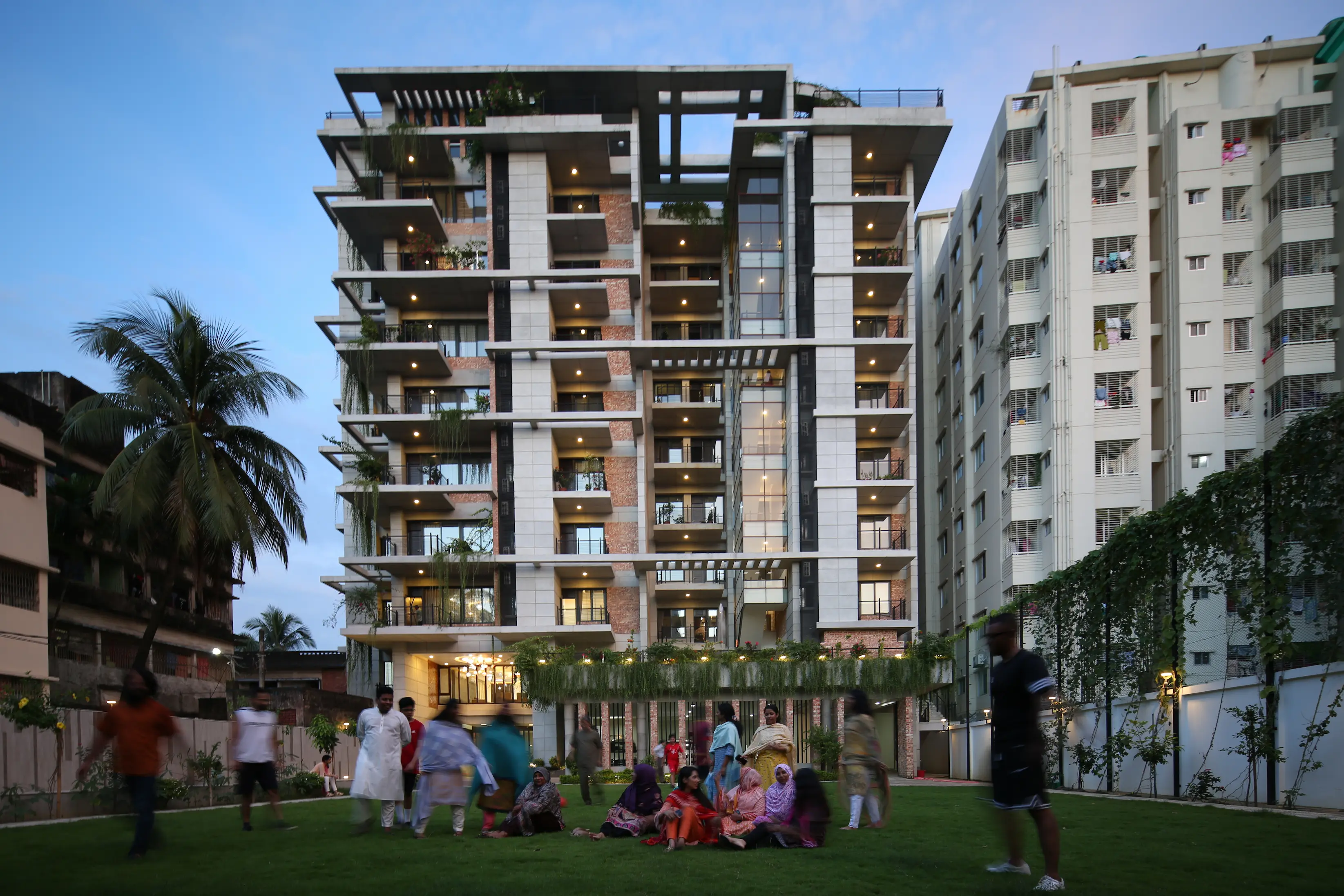
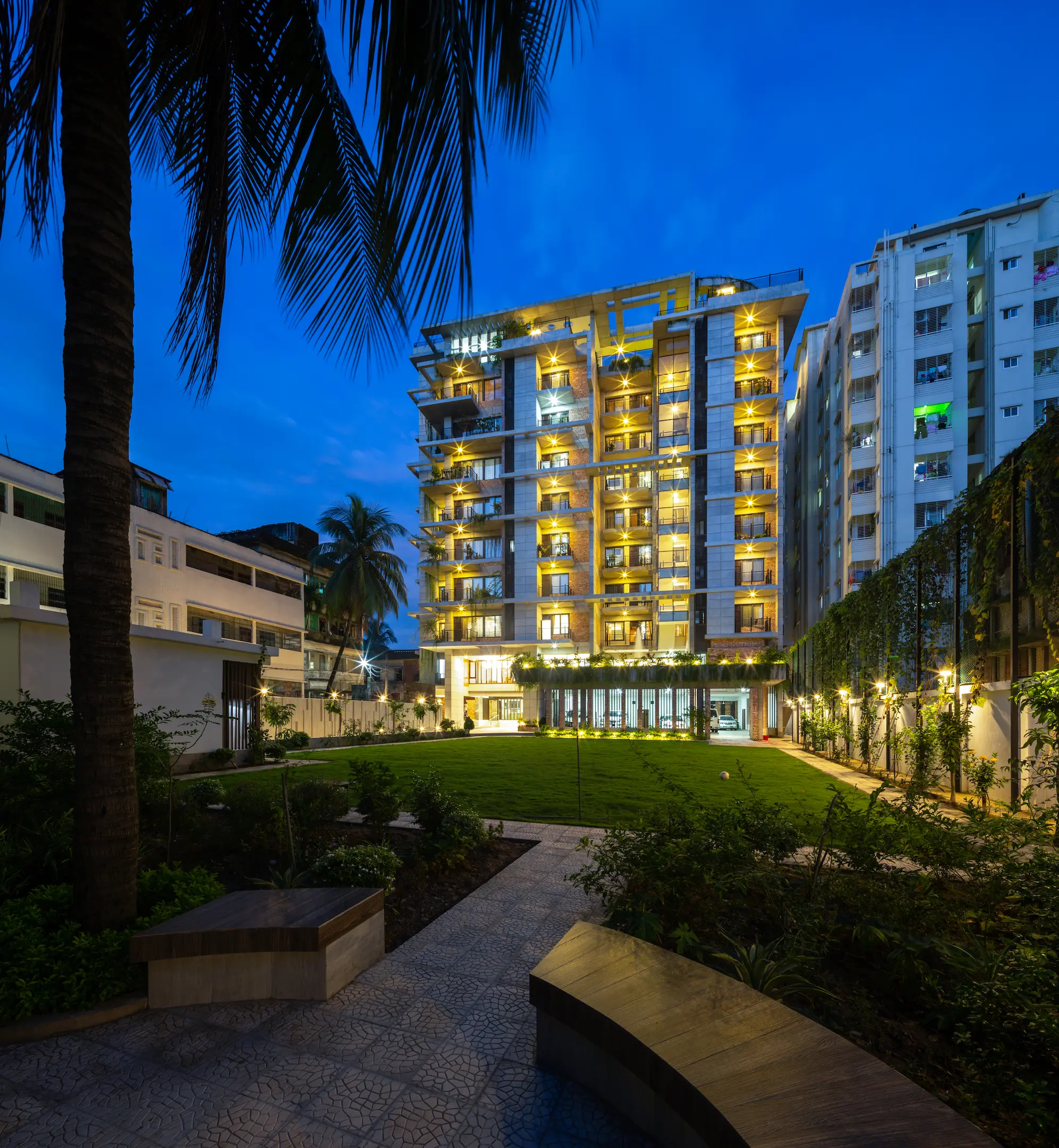
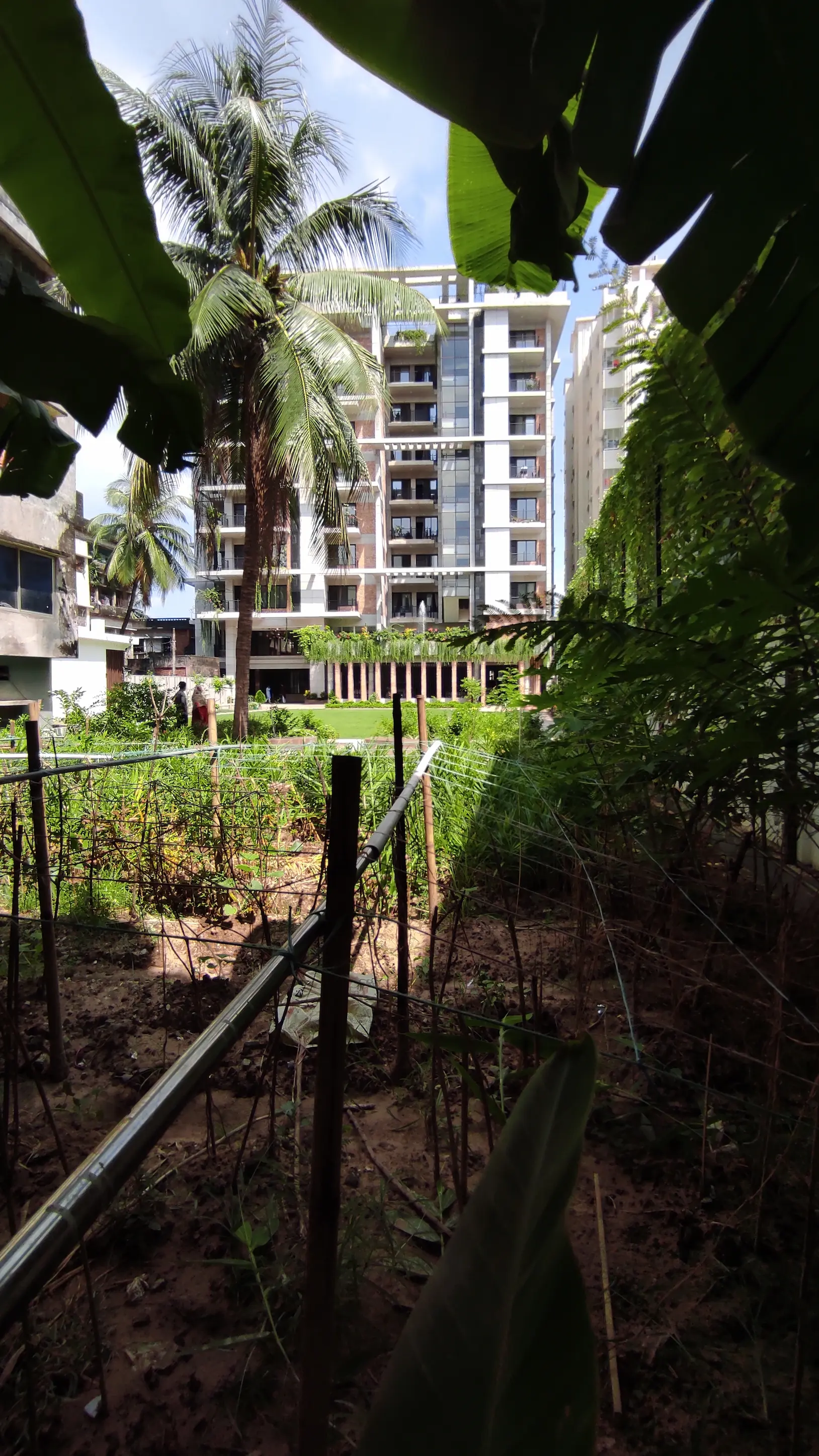
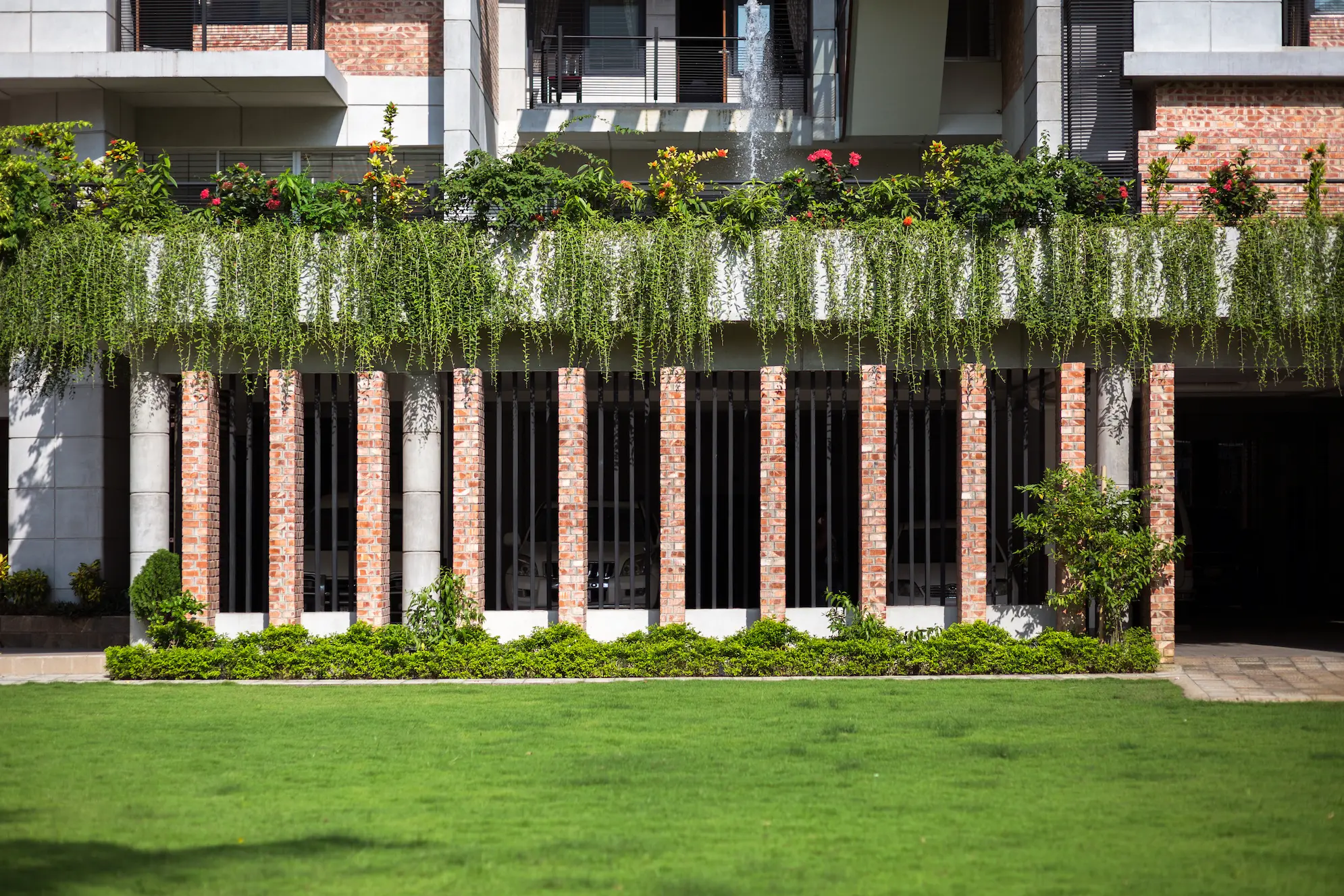
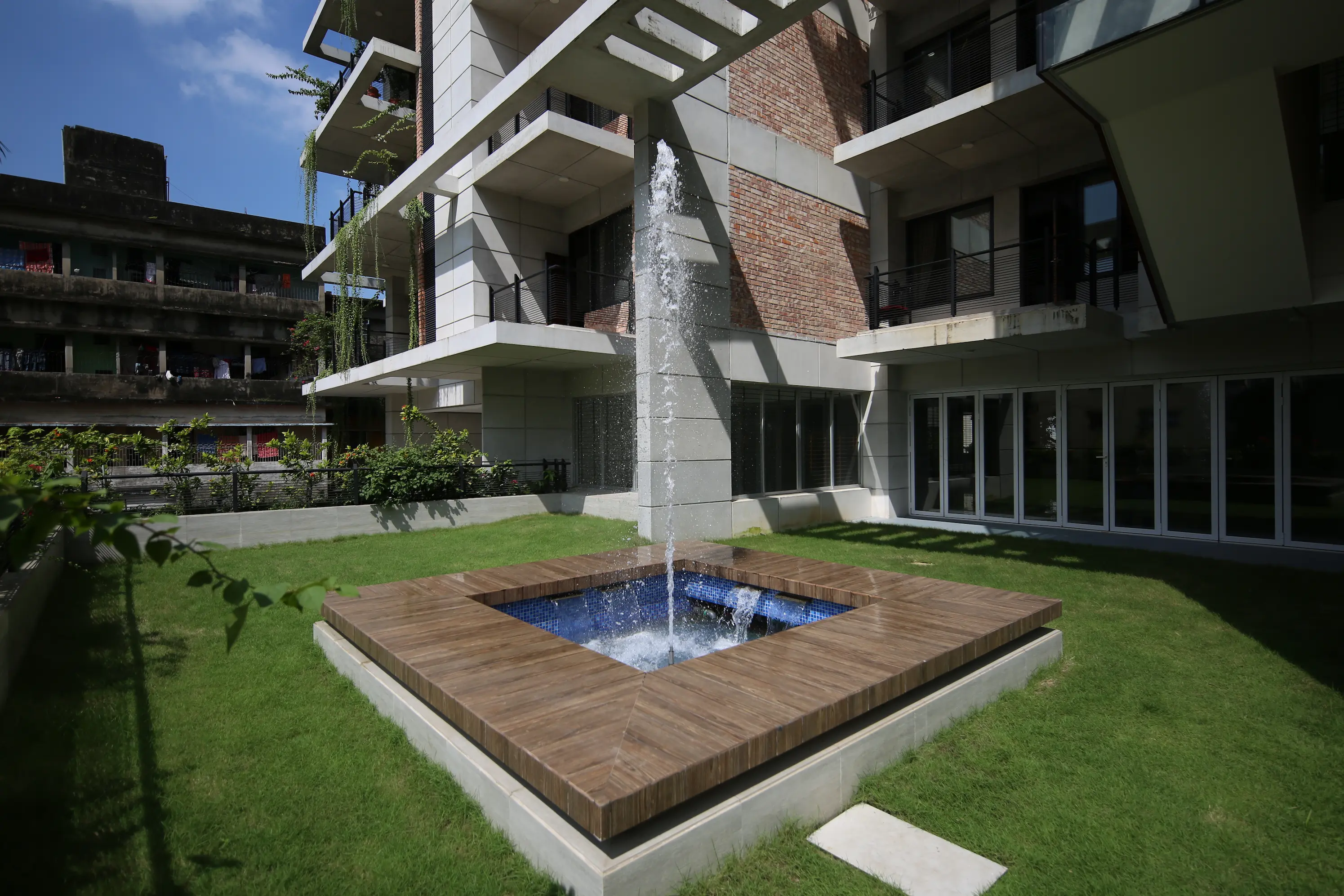
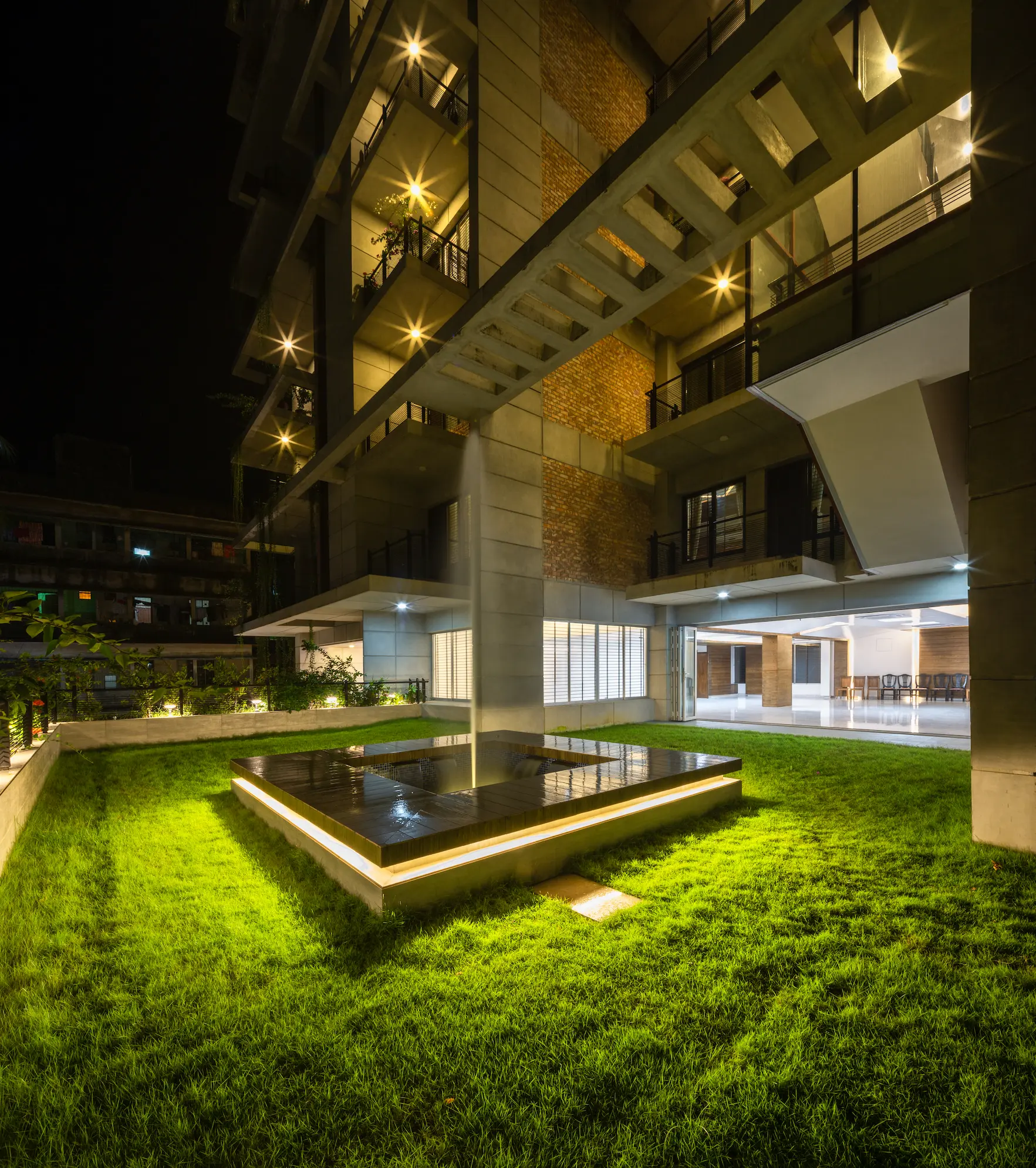
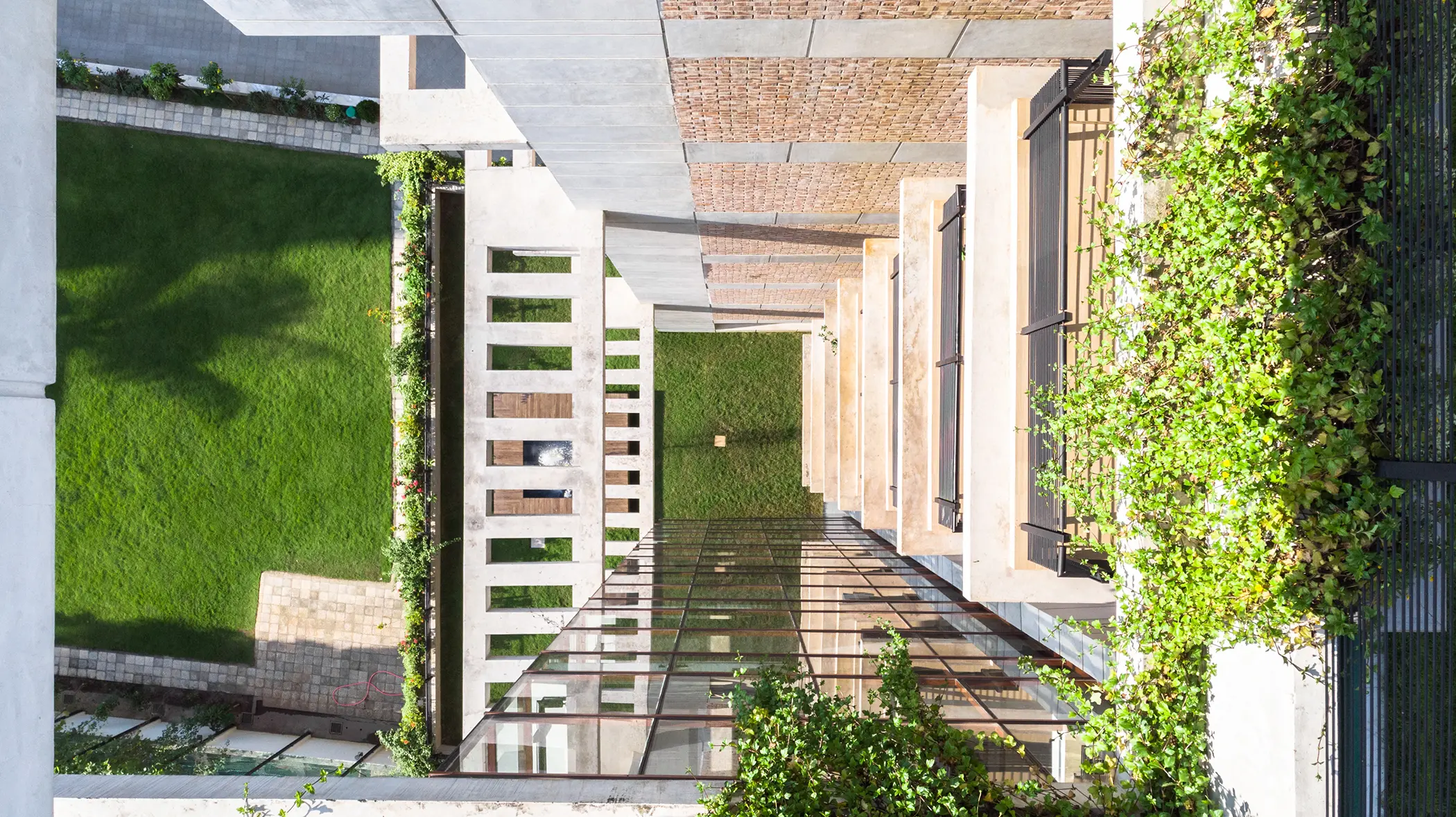
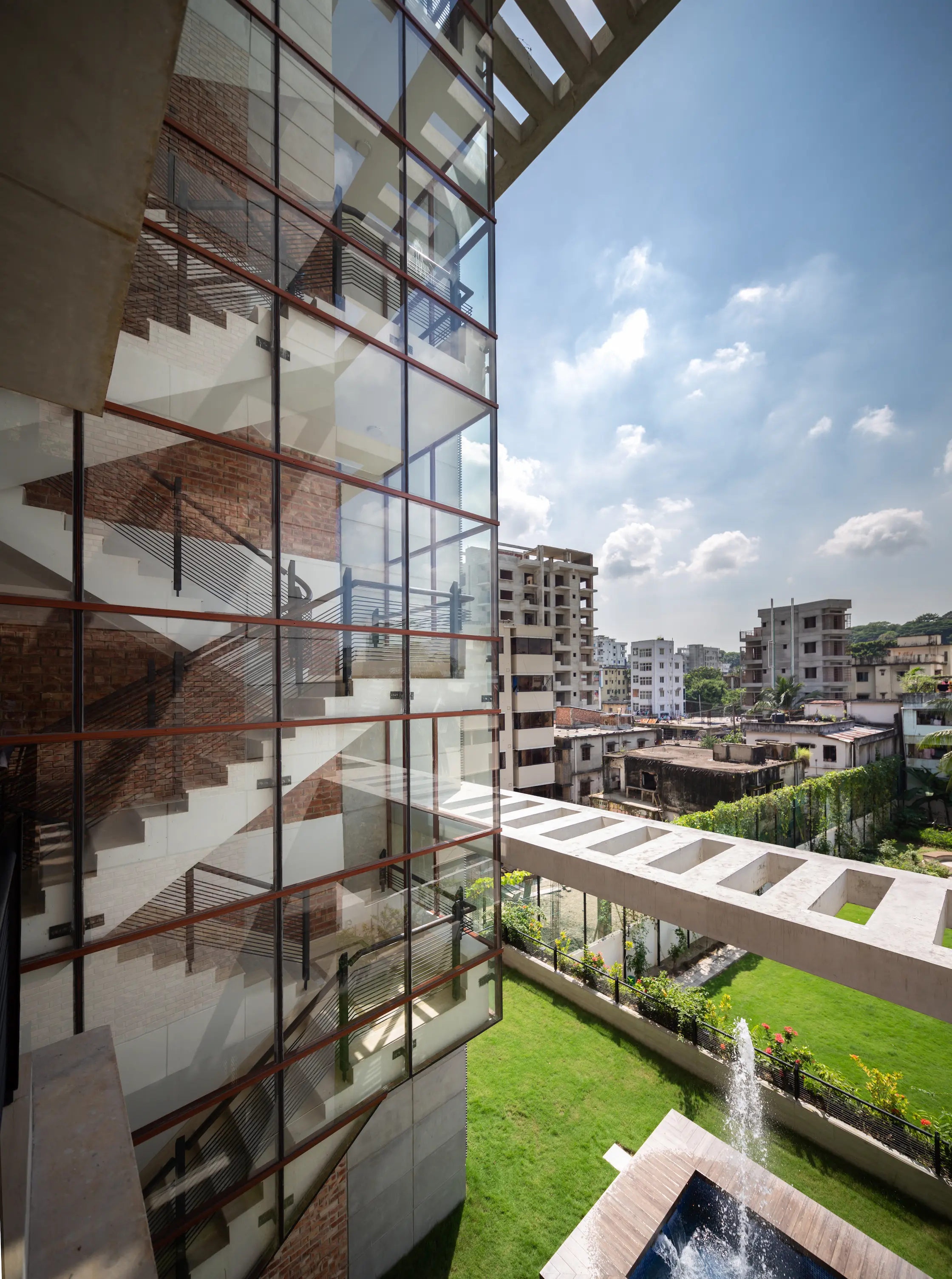
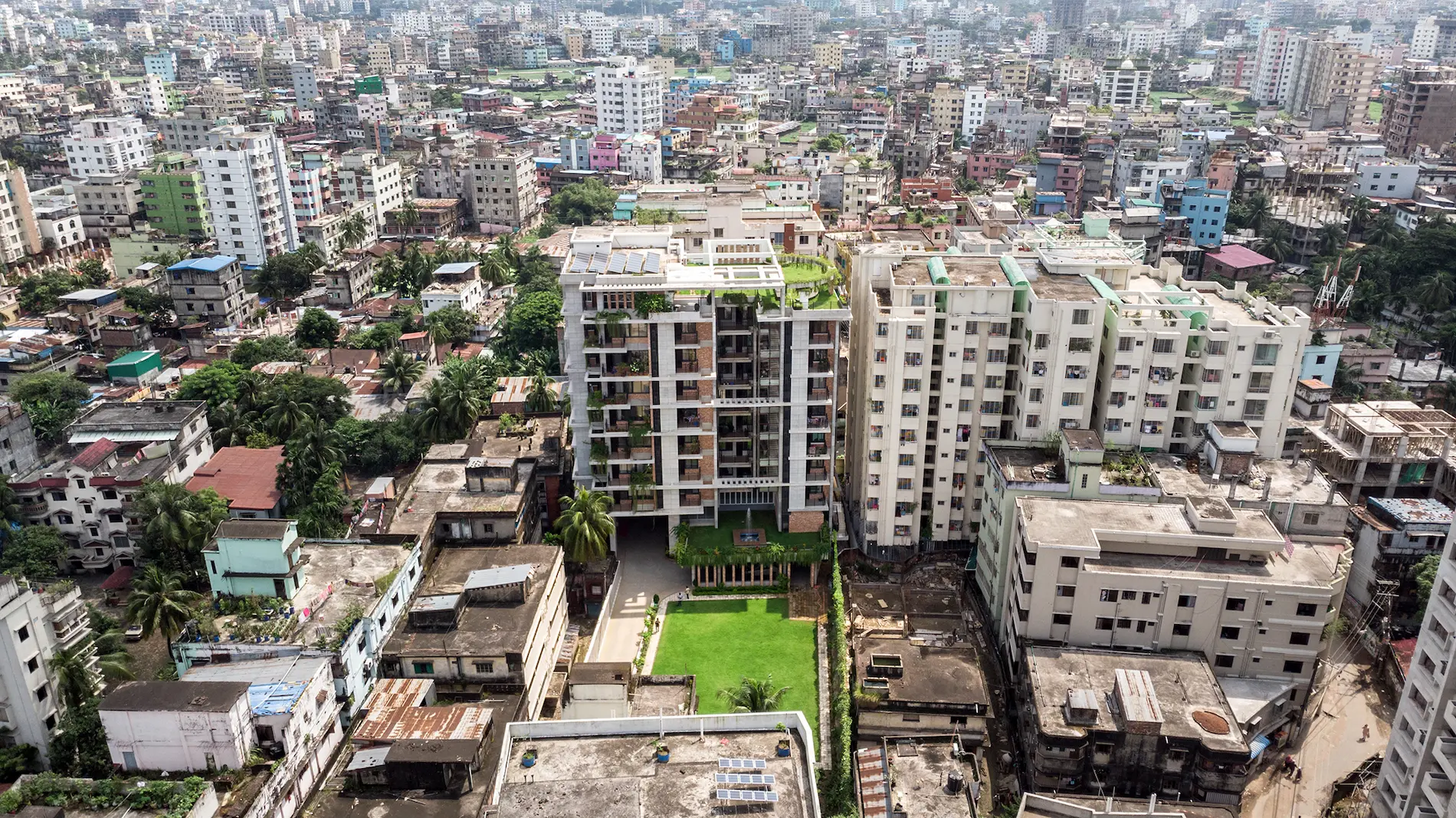
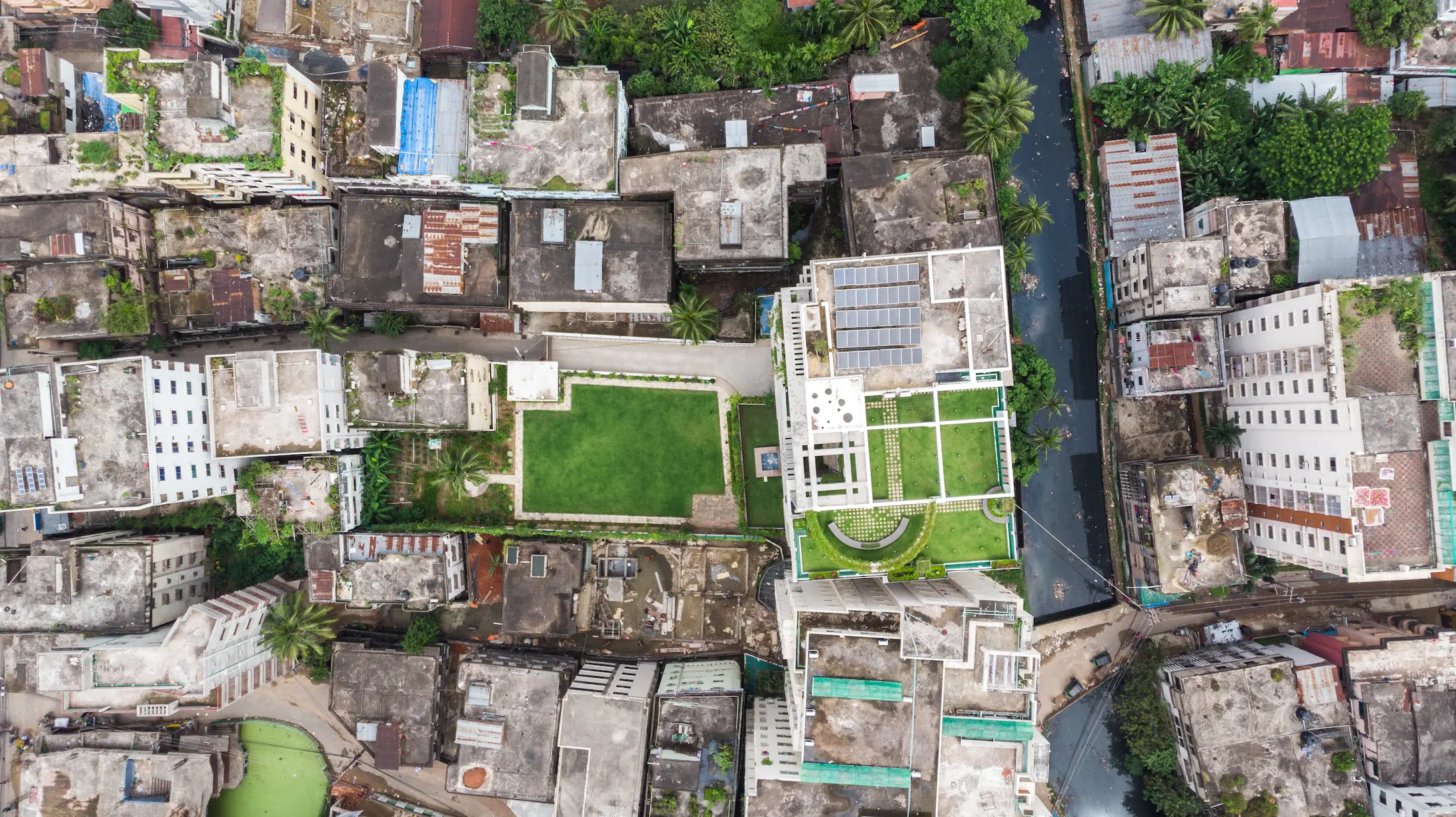
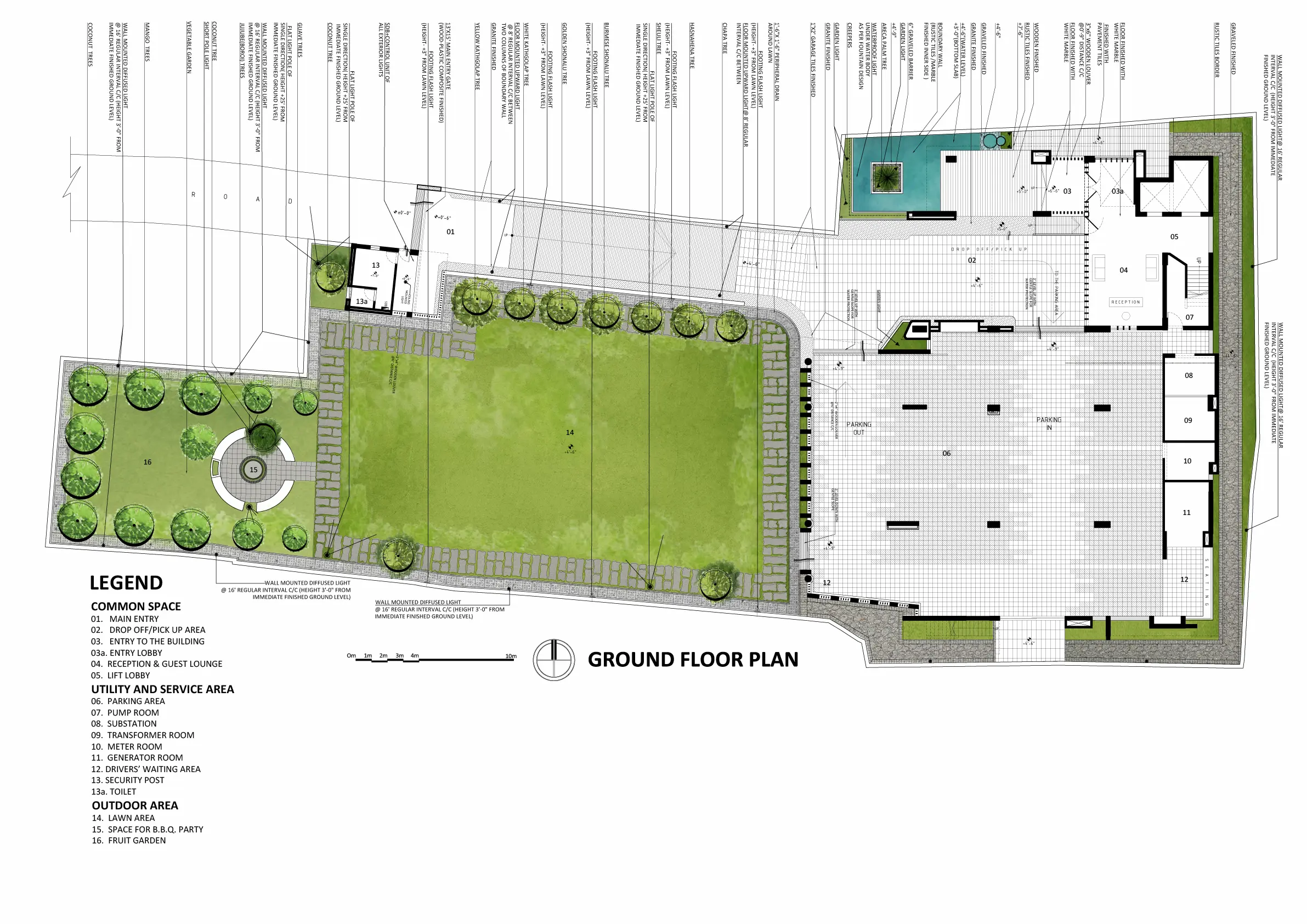
Occupying nearly 70% of the site, the foreground is given entirely to an open playground and vegetable garden—a rare luxury in a land-scarce city. This move defies real estate norms, transforming valuable land into a verdant, communal void. Fruit trees, flowering plants, and shaded lawns populate the open court, forming a micro-ecology of leisure, memory-making, and sustainability.
Seen from above, the site emerges as a green enclave, an oasis nested within the concrete jungle of Chattogram.
Climate-Conscious Craft
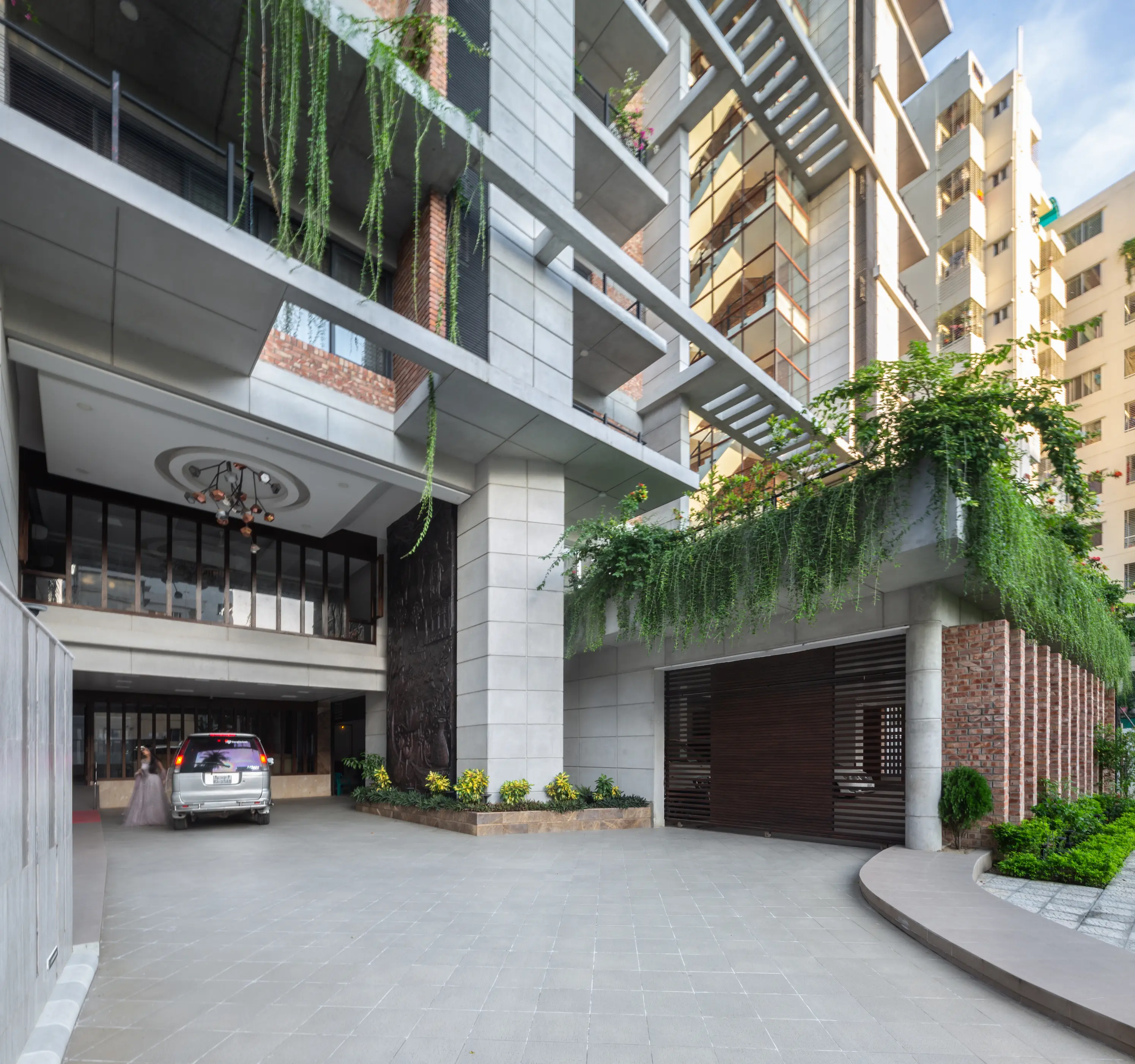
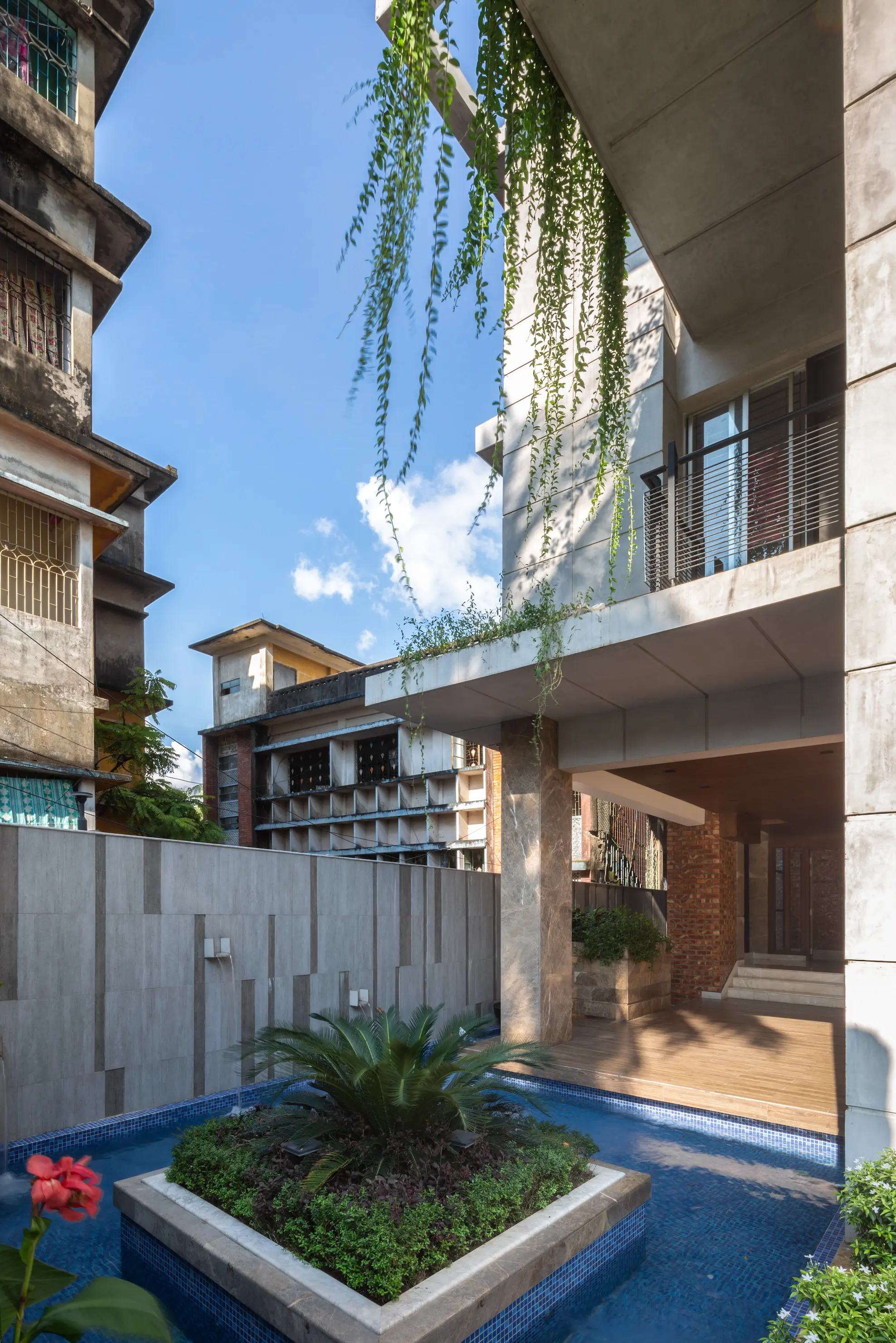
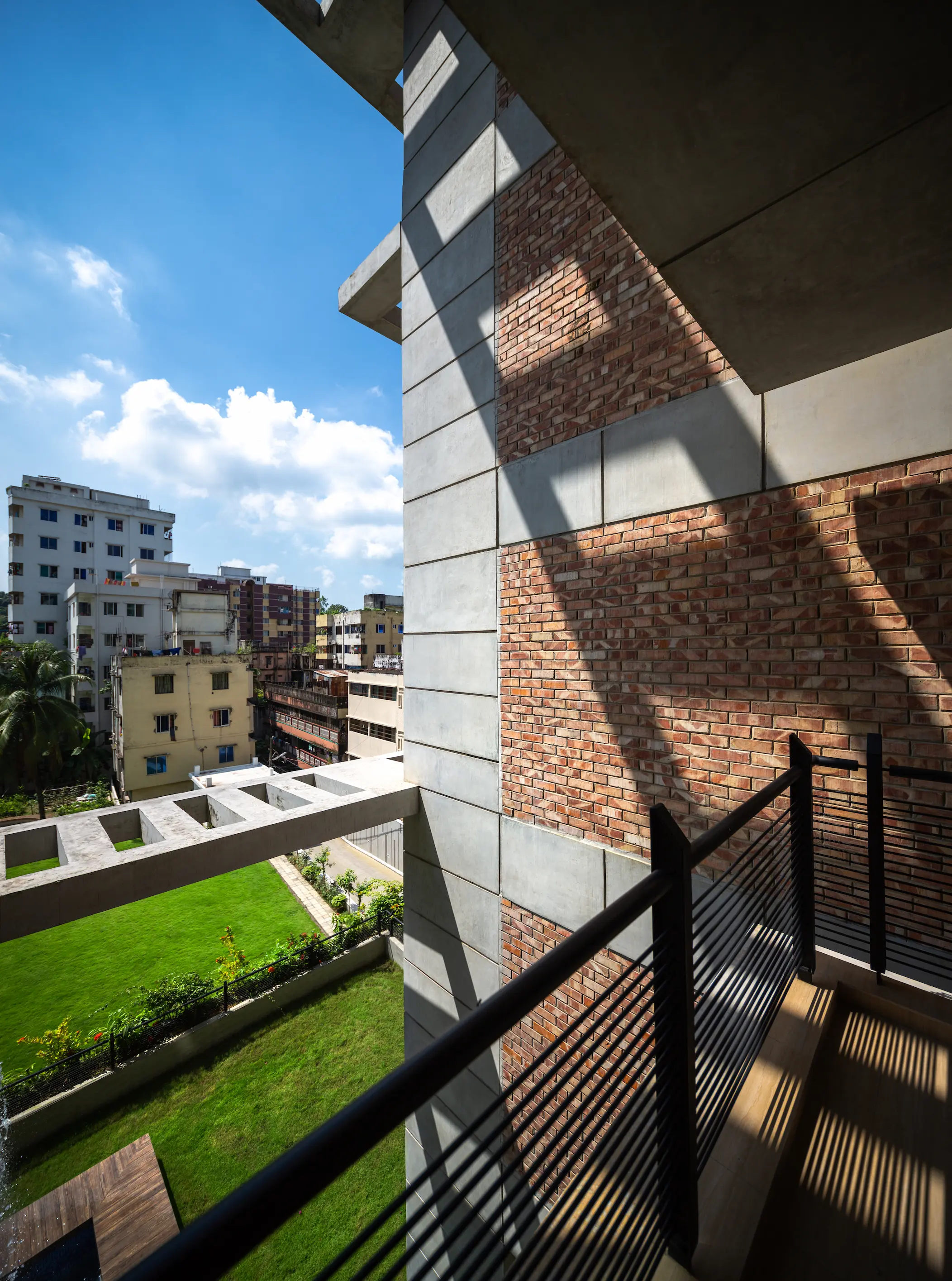
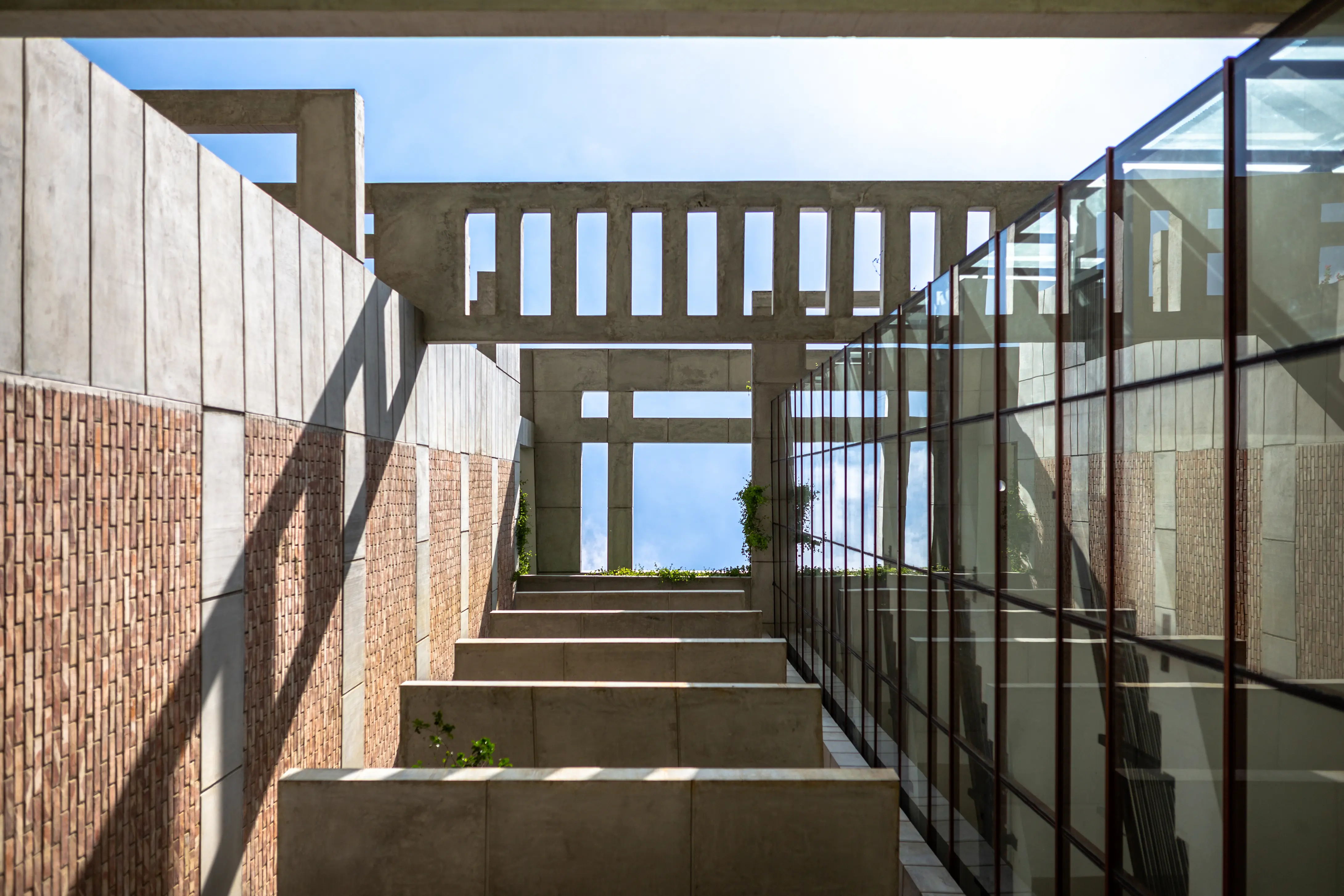
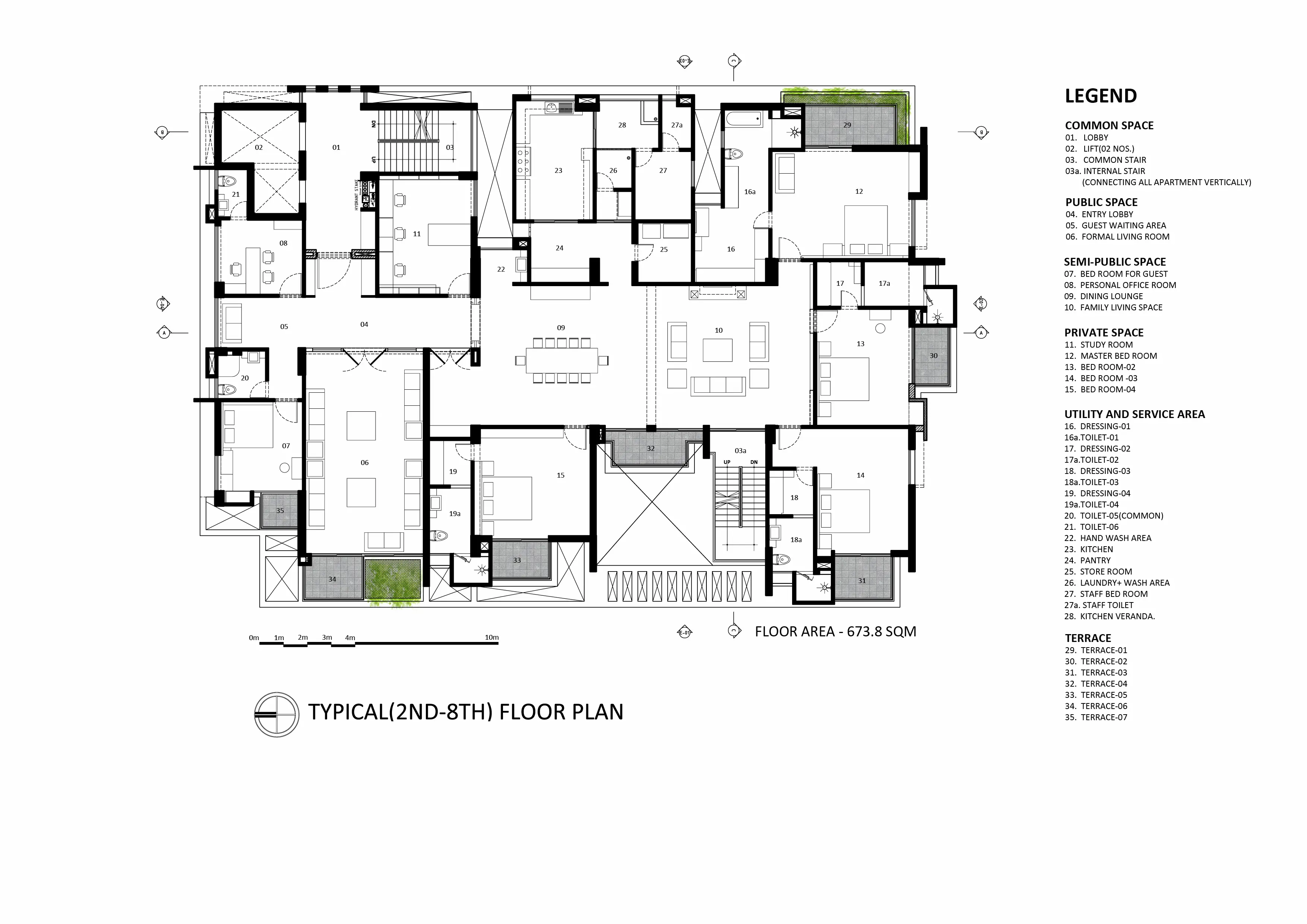
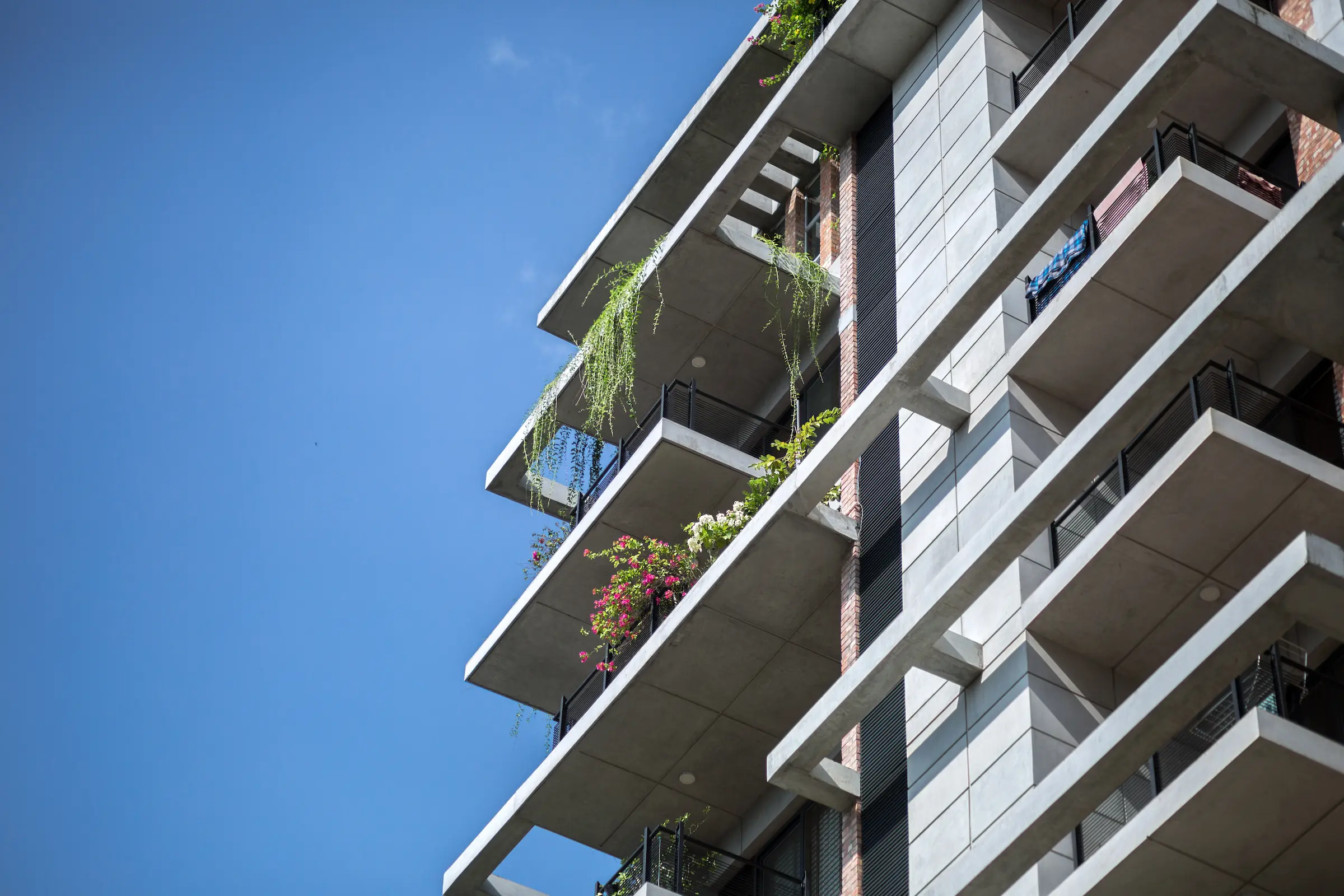
Facing the brutal western sun, the building deploys deep cantilevered slabs and overhangs that act as solar buffers, rain shields, and outdoor terraces. These passive features enable the inner walls and openings to remain shaded throughout the day, reducing heat gain. Although provisioned for air conditioning, the design leans heavily on cross-ventilation, achieved by strategically placing bedrooms on corners and integrating ventilation voids throughout the structure.
The result: a building that breathes with the climate rather than against it.
Redefining Luxury
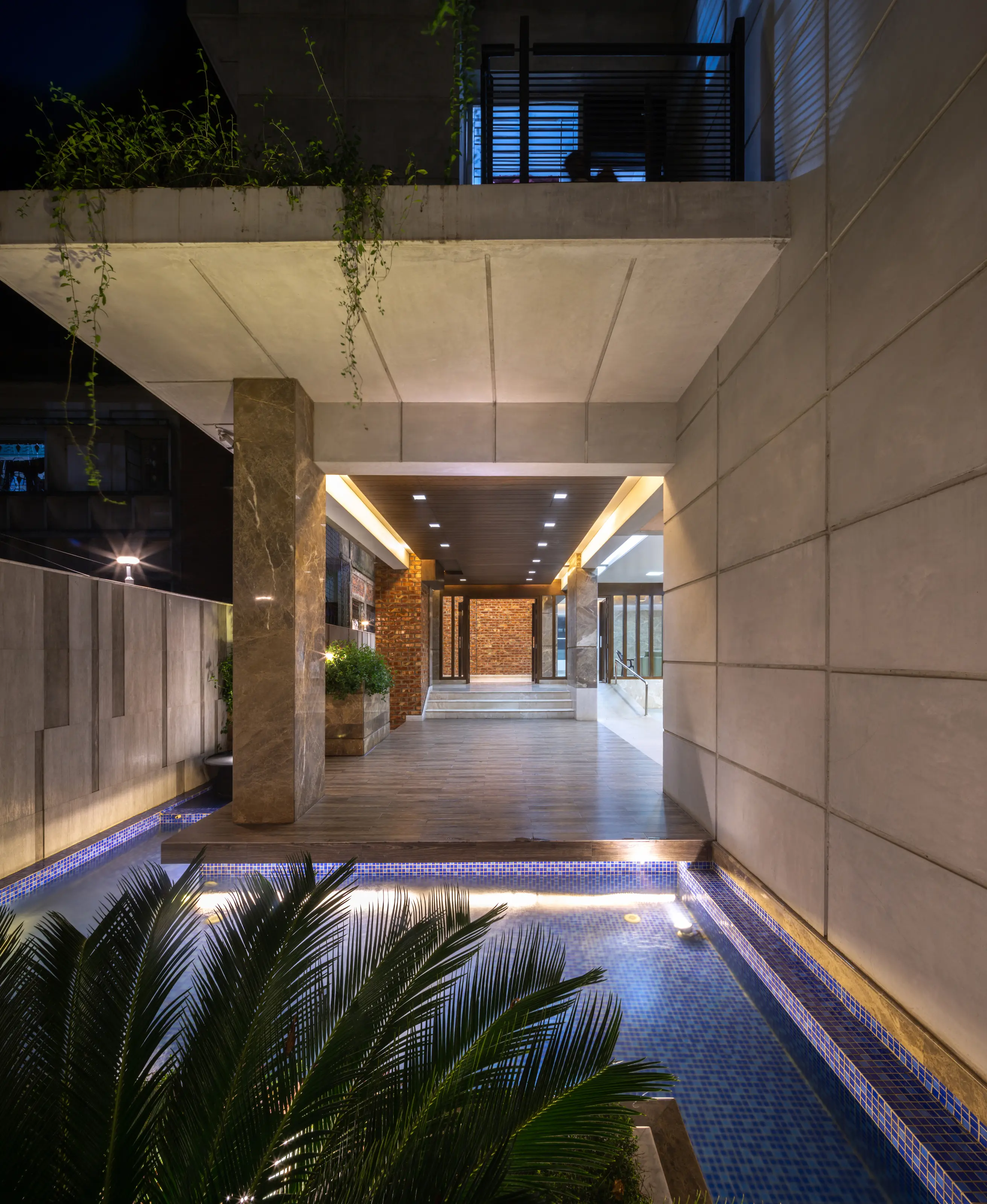
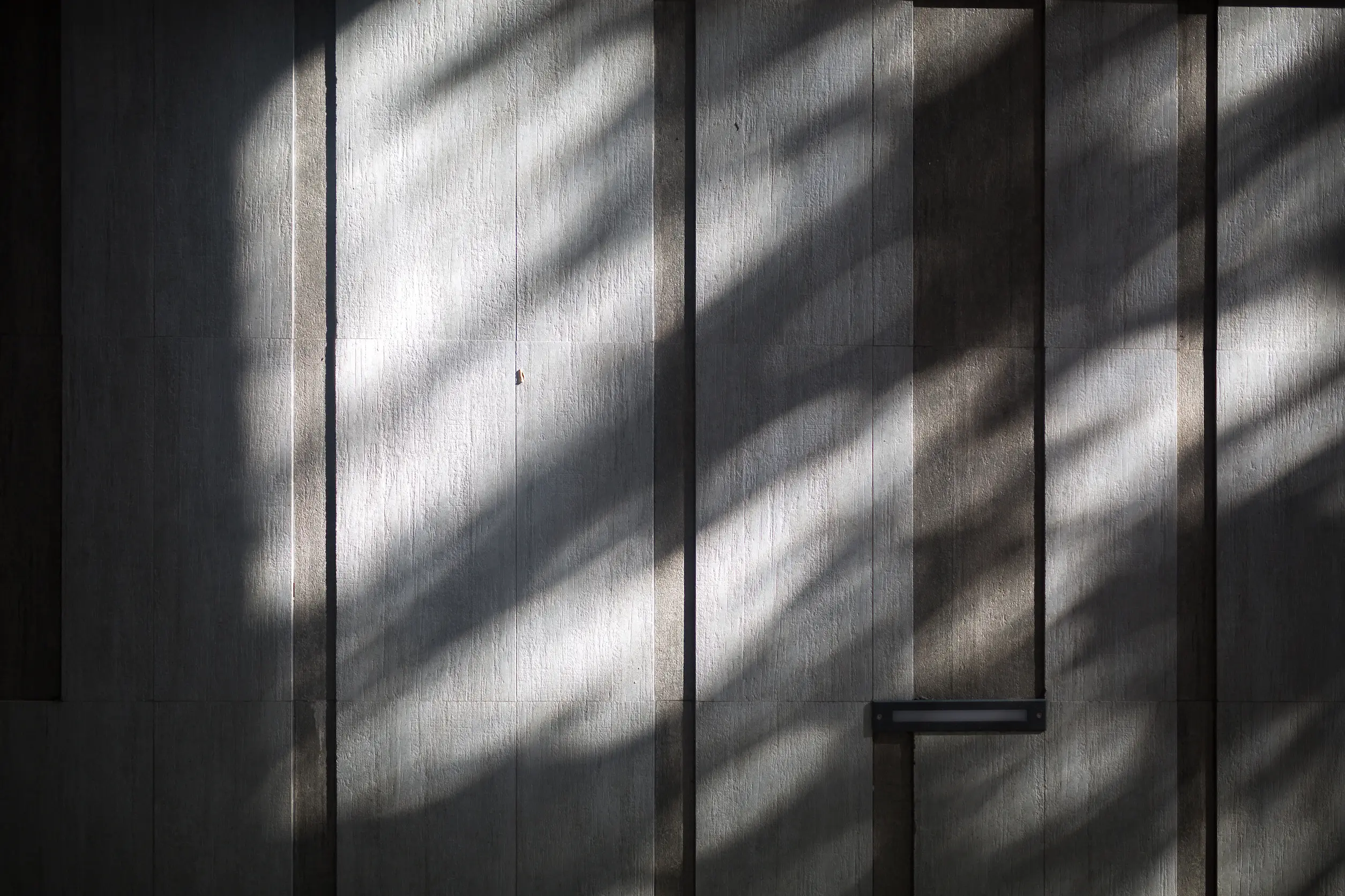
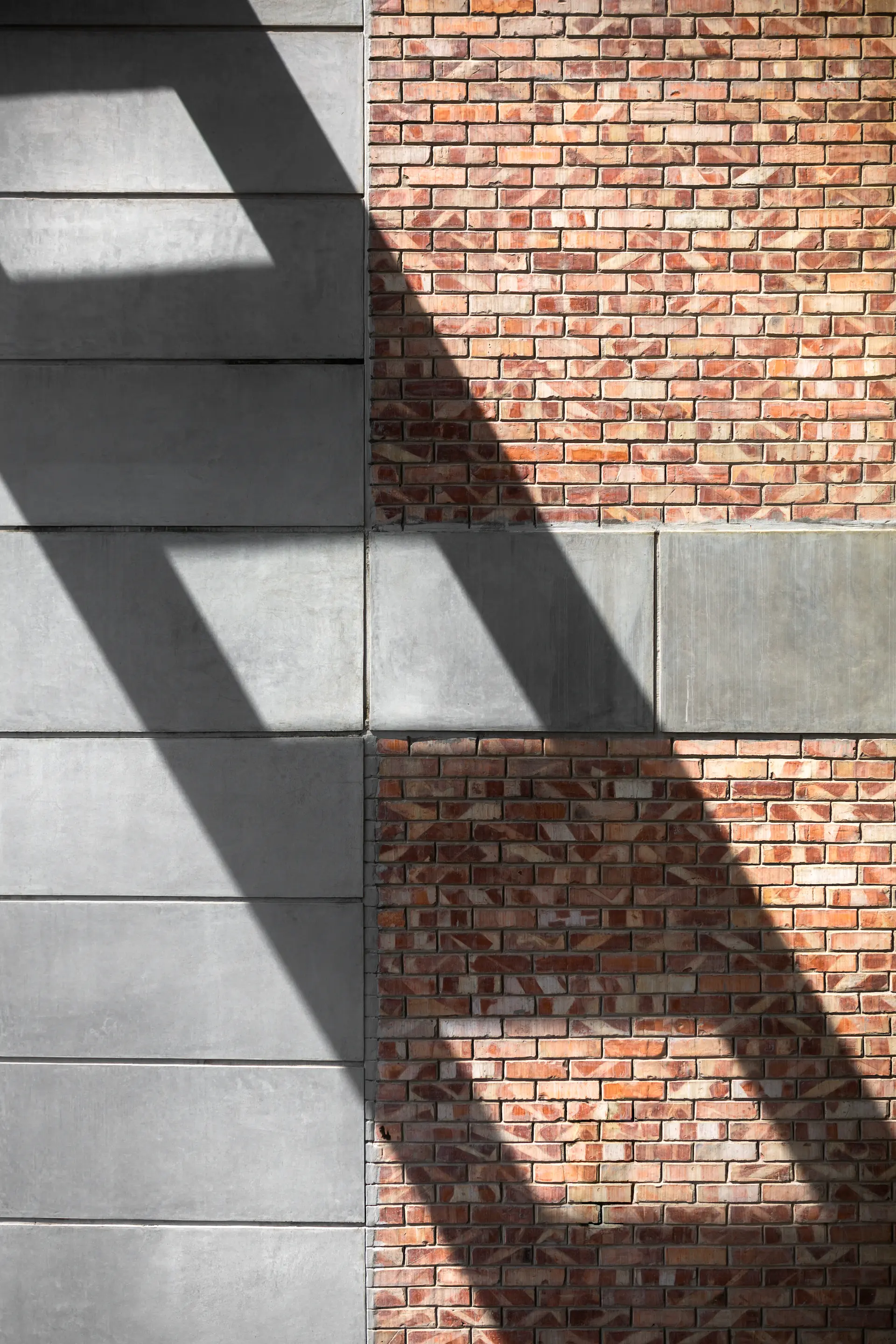
Commissioned by a client who could afford opulence, the architecture makes a deliberate pivot from imported finishes to locally sourced materials and minimal detailing. Here, luxury is redefined—not as marble floors or expensive cladding, but as the freedom of space, abundant greenery, and the chance to grow food in your own backyard.
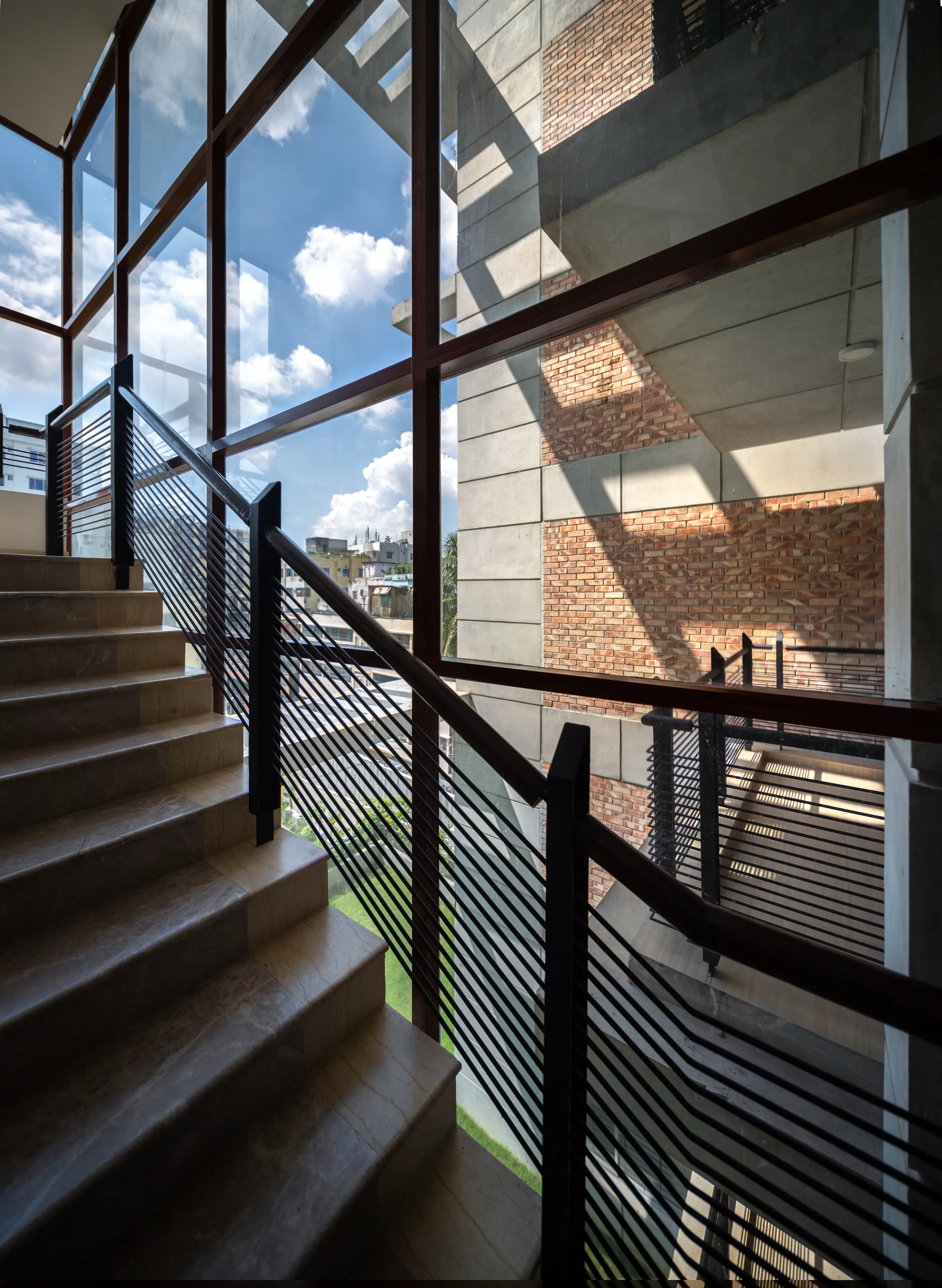
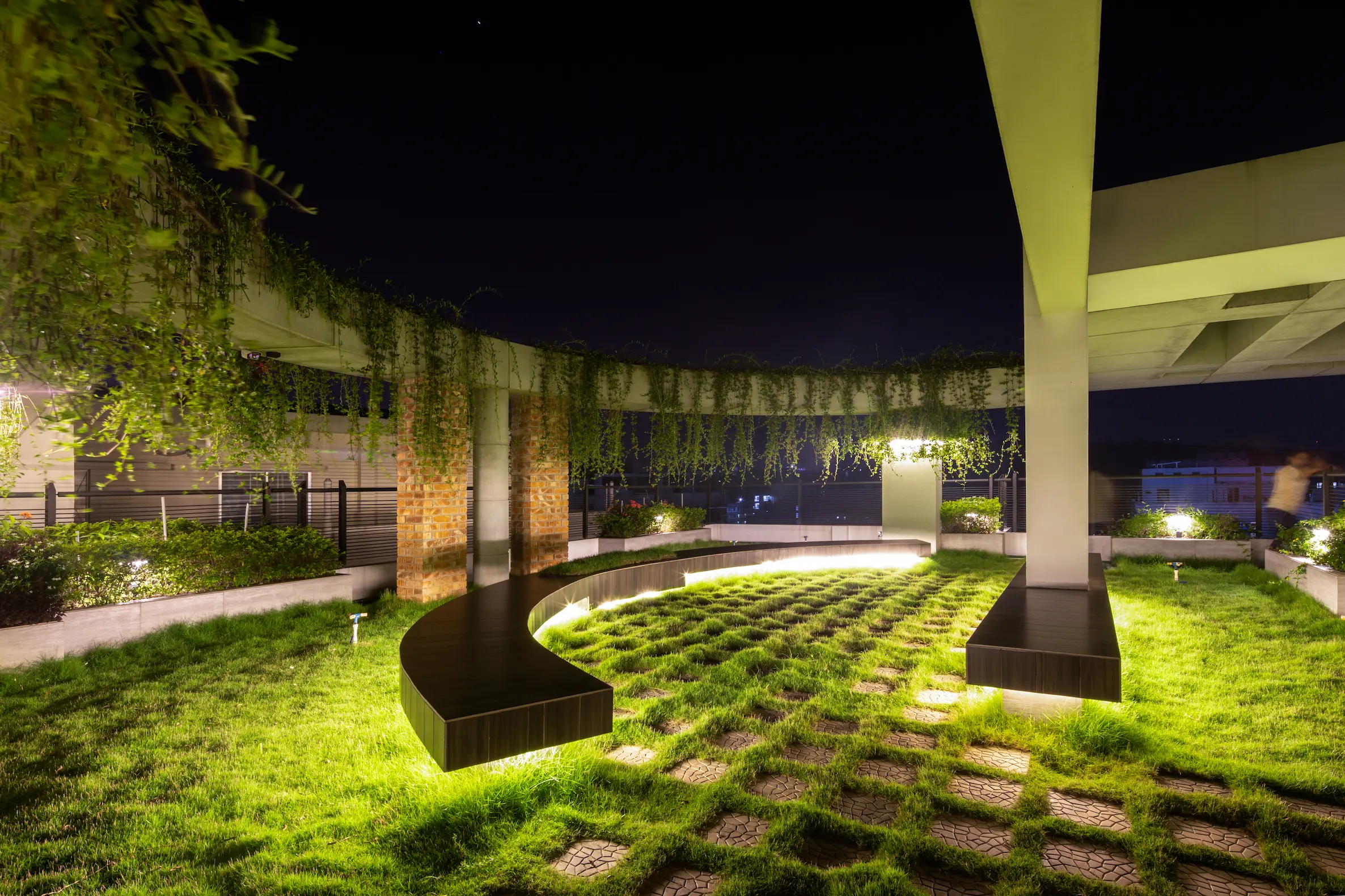
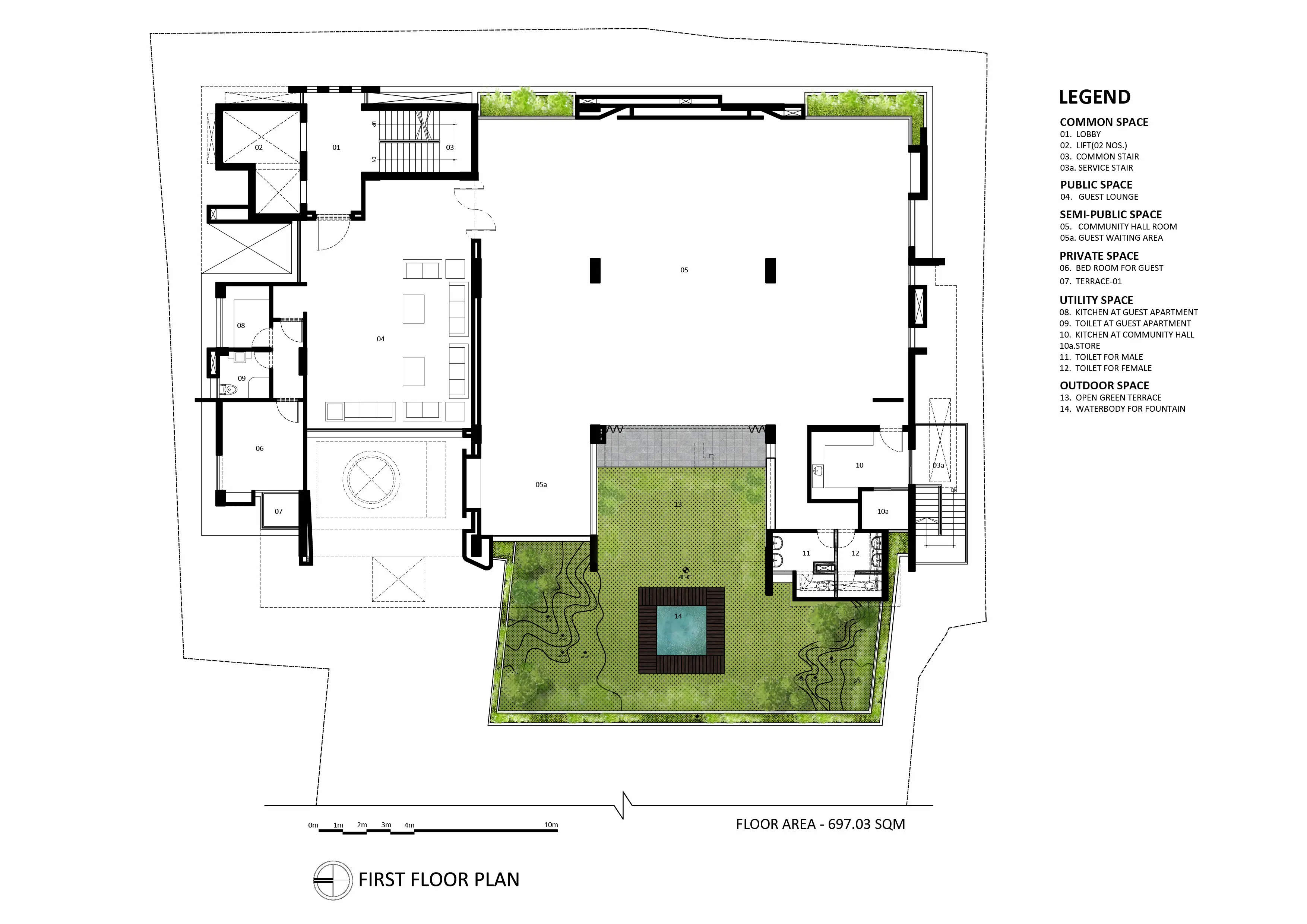
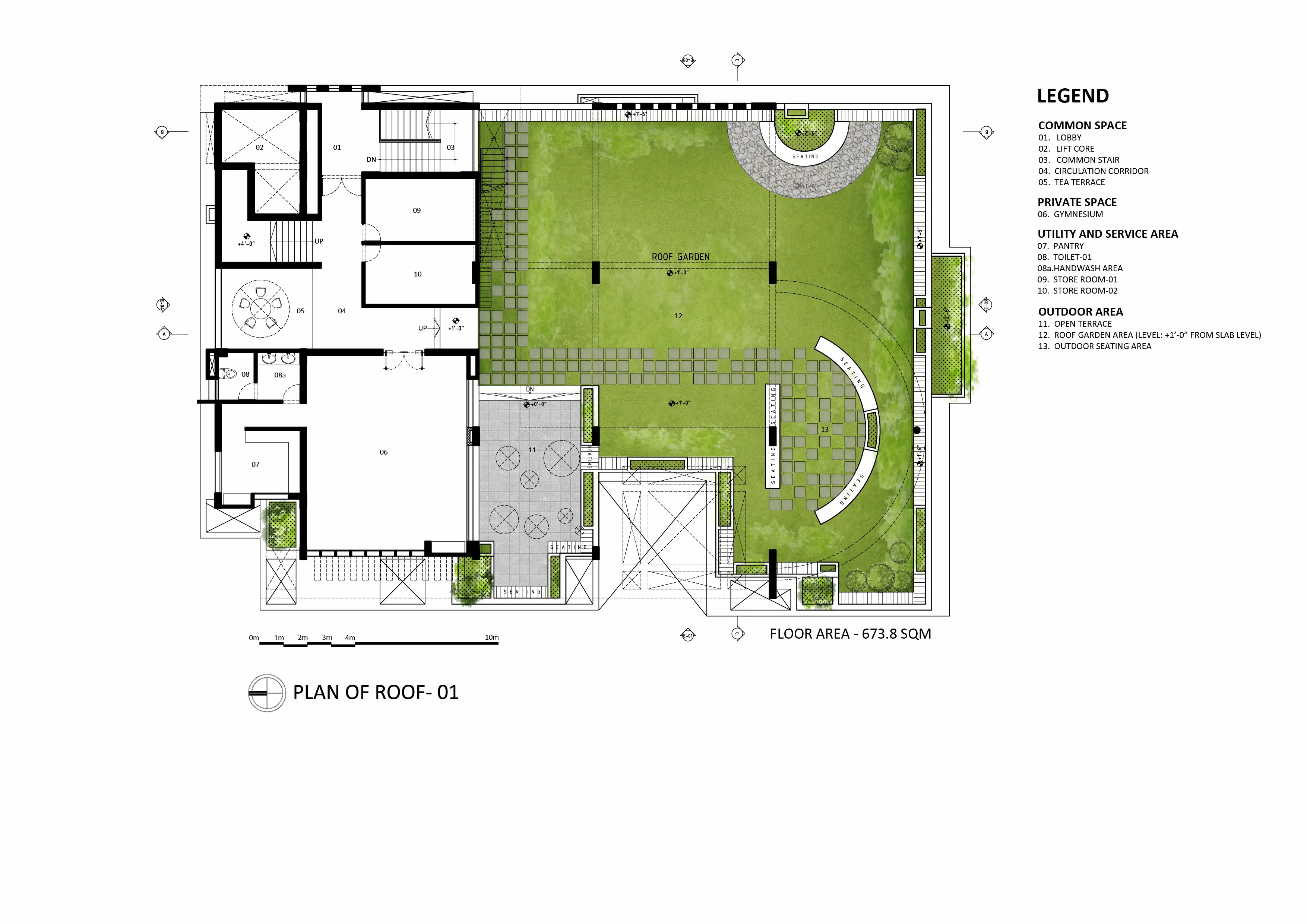
A series of communal spaces on the first floor—including a large guest lounge, multi-purpose hall, and garden terrace—enhance social cohesion. The roofscape is designed as a sky court, complete with green lawns and quiet corners. Internally, double-height family lounges are connected with private staircases, blurring the lines between verticality and togetherness.
Architecture as Philosophy
For the client, who sees human life as transient—a mere kichukhon (a short while)—the project is more than just a home. It is a philosophical expression of rootedness, memory, and shared existence. The name, the gardens, the gathering spaces: all reflect a desire to make the most of this fleeting life by staying close to those who matter.
The architecture follows suit—quiet, intentional, and anchored in the belief that real luxury is the space to live slowly, collectively, and consciously.
Design Team
Architects : Mohammad Naimul Ahsan Khan, Farzana Rahman, Nusrat Azim Mithila
Collaborators : TDM, Engr. Nayan Das, Engr. Milon Nondi